
Last updated October 16, 2026
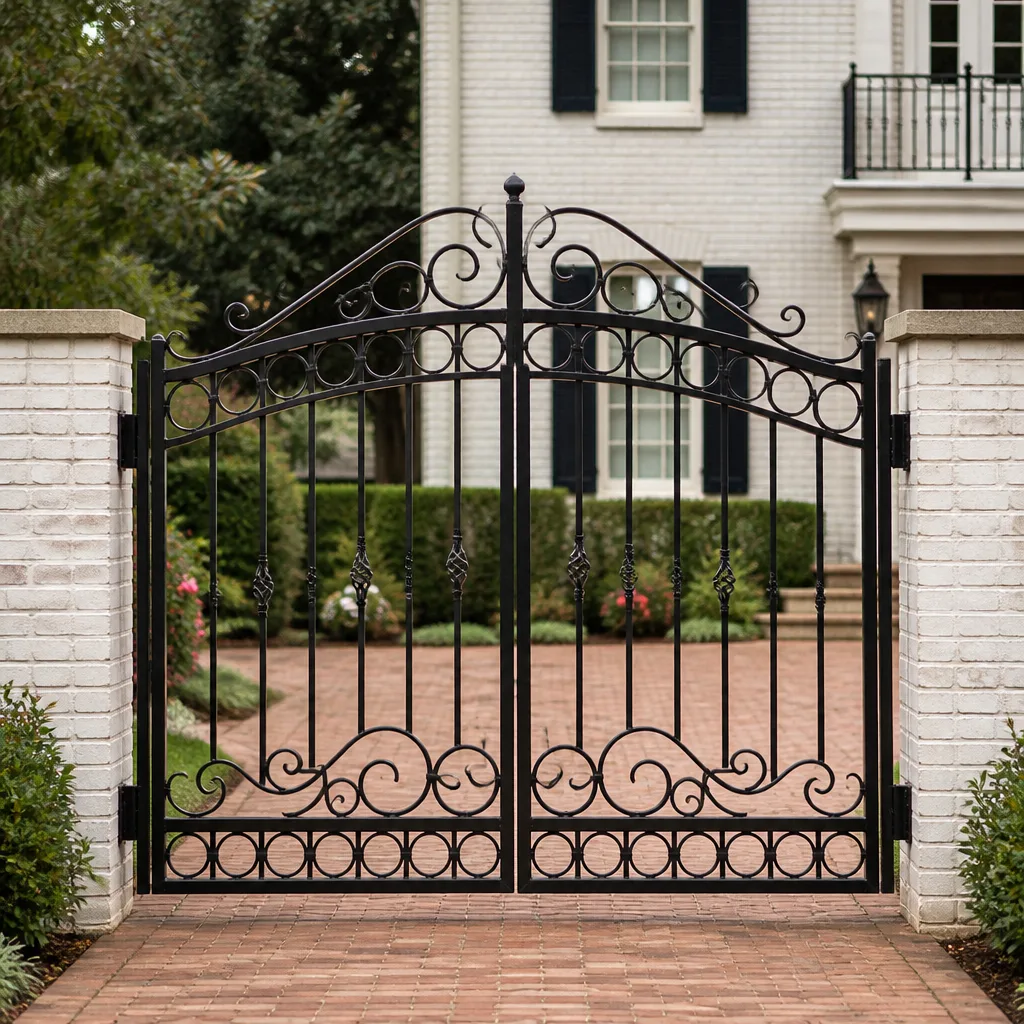 Wrought iron
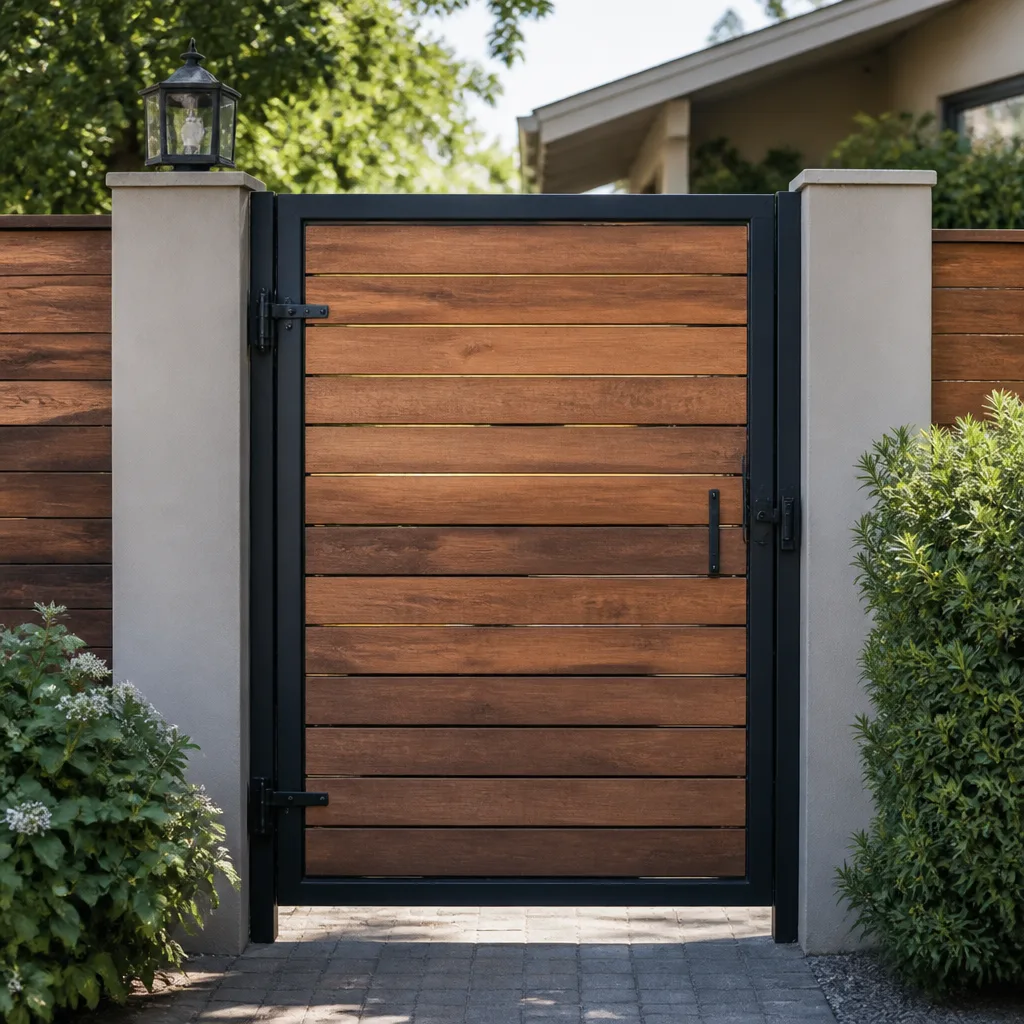 Wood & steel frame
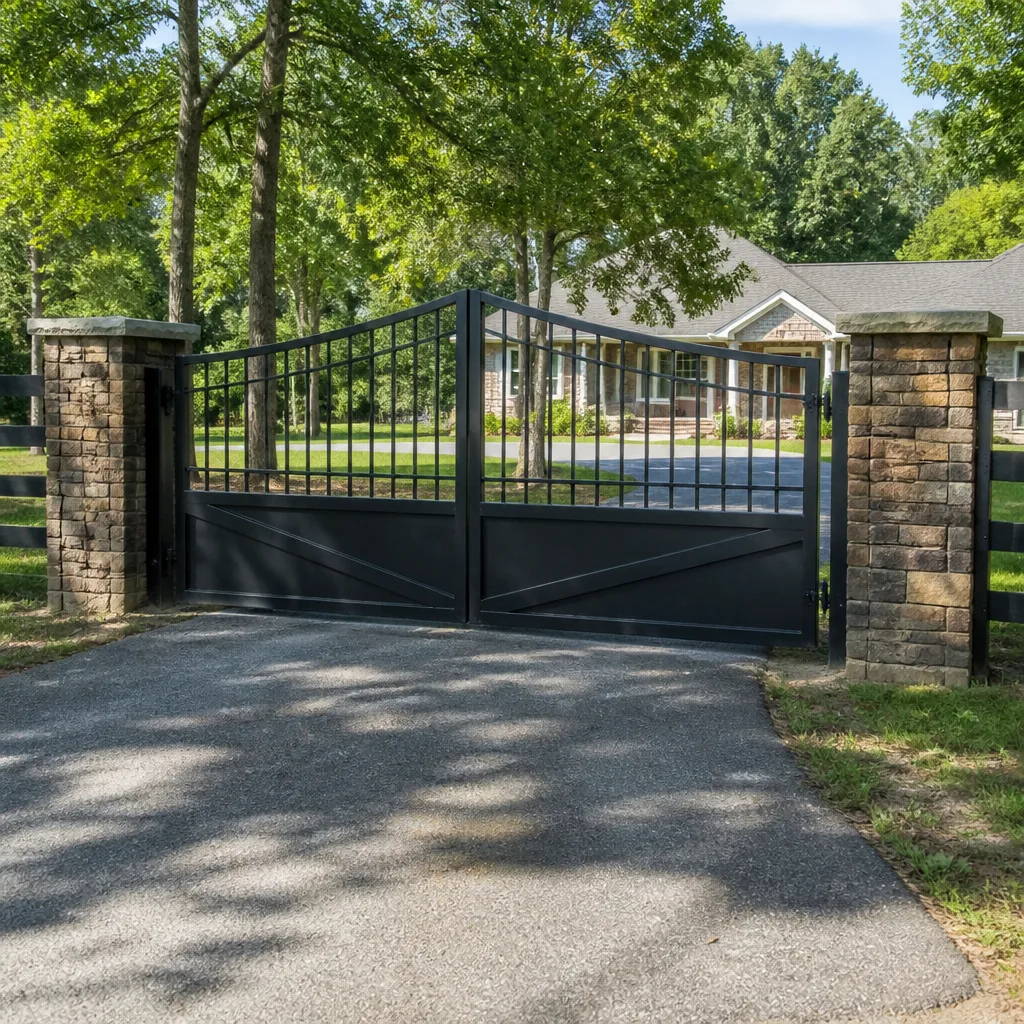 Farm & ranch
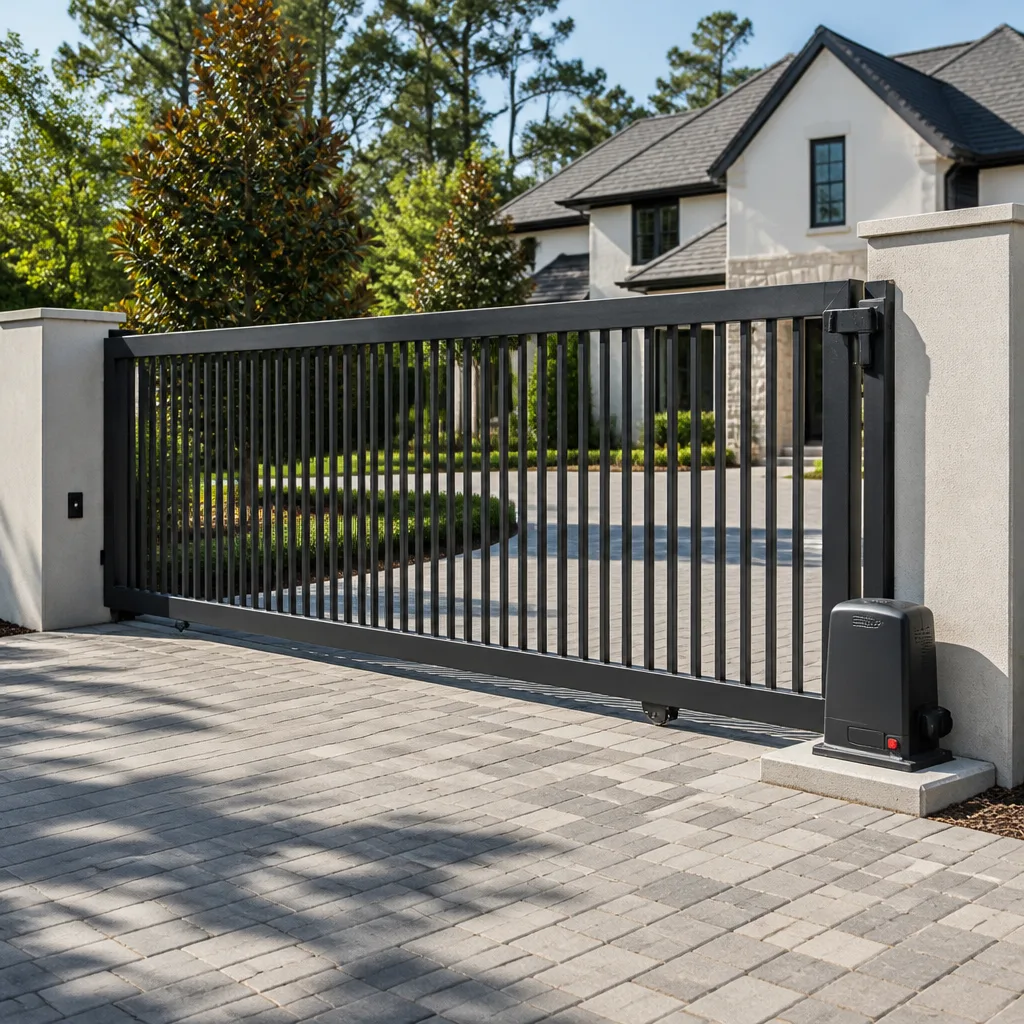 Sliding driveway gates
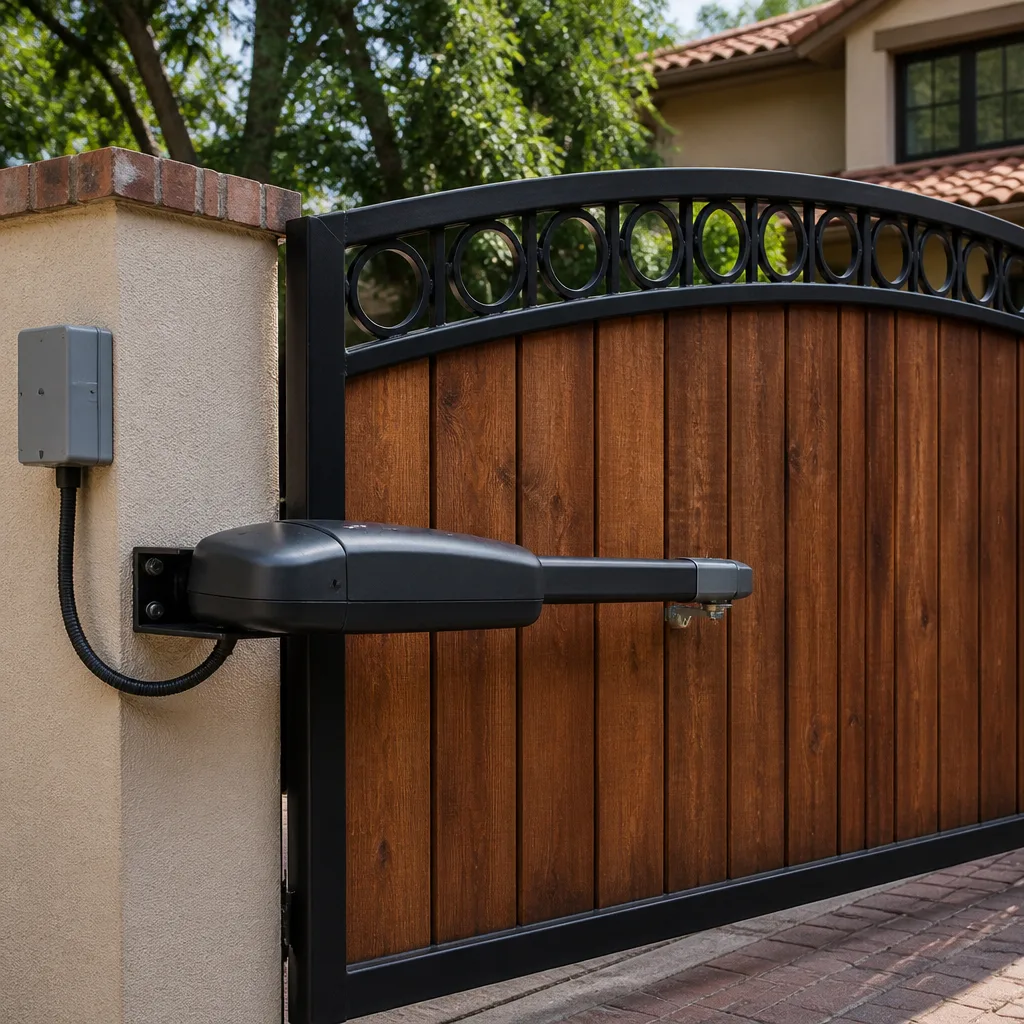 LiftMaster operators
Free on-site gate assessment - hinges, posts, and your LiftMaster or Nice gate operator checked before anything is quoted
The assessment is free and the quote is the invoice.
Get your free estimateSeasonal Gate Repair Care for Torrance: Year-Round Homeowner’s Guide
Most gate failures in Torrance don’t happen during storms or heat waves. They happen in the quiet weeks between them. A motor that ran fine all spring seizes in late June when marine layer condensation works into the control board. A slide gate that glided smoothly all summer jams in late October when the first Santa Ana winds pack the track with dry debris. This guide maps the four stress windows that actually shape gate wear in the South Bay, and gives you a practical maintenance rhythm keyed to what Torrance weather really does, week by week, to the hardware on your property. For hands-on help, our Gate Repair services cover every issue described here.
Styles & brands we work with
Quick Answer
Seasonal gate care in Torrance means timing maintenance around four local stress periods: the June Gloom humidity peak, late-summer UV saturation, fall Santa Ana wind cycles, and the February-March rain window. The core tasks are cleaning tracks and limit switches, inspecting rubber seals and bumpers for UV cracking, clearing debris after wind events, and checking post footings for erosion after rain. A structured inspection in May and October prevents the majority of motor failures and track jams we see year-round. For deeper background, see The Complete Guide to Gate Repair in Torrance.
Table of Contents
- The June Gloom Window: Humidity, Condensation, and Motor Stress
- Santa Ana Wind Cycles: Debris, Hinge Load, and False Triggers
- Summer UV Exposure: What the South Bay Sun Does to Rubber and Polyurethane
- The Fall Inspection That Prevents January Failure Calls
- February and March: Post-Rain Inspection for Post Footings and Weld Oxidation
- Your Year-Round Maintenance Rhythm for Torrance Gates
- Common Mistakes to Avoid
- When to Call a Professional
- Frequently Asked Questions
- The Bottom Line
The June Gloom Window: Humidity, Condensation, and Motor Stress
Torrance sits close enough to the Pacific that late spring brings a persistent marine layer. The overcast skies keep daytime temperatures moderate, so homeowners assume the gate is under less stress than it would be inland. That assumption is exactly backward for gate hardware. The humidity that rides in with June Gloom condenses on metal surfaces that stay cool through the night. Motors heat up during operation, then cool rapidly in the damp evening air. That thermal cycling pulls moisture into enclosures through worn gaskets and hairline gaps around conduit fittings.
We’ve opened control boards in Torrance in late June that showed visible water beading on the circuit board surface, while the owner insisted the enclosure had never been exposed to rain. It hadn’t. The moisture came from condensation cycling, not direct water contact. On a LiftMaster or FAAC swing operator, the board sits inside a sealed box, but the seal is only as good as the gasket that was installed when the unit went in. After three or four years of thermal cycling, that gasket compresses and loses its spring. Moist air gets pulled in as the enclosure cools, and the board runs in a humid microclimate.
What to check in late May and through June:
- Enclosure gaskets: Look for flattening, cracking, or gaps where the gasket meets the box edge. A compressed gasket is a moisture entry point.
- Conduit fittings: Flex conduit connections at the motor and at junction boxes should be snug and sealed. Loose fittings let condensation wick down the inside of the conduit into the board enclosure.
- Limit switch operation: The limit switch tells the motor where to stop. Humidity accelerates corrosion on switch contacts. A switch that’s starting to corrode will cause the gate to stop short or travel too far.
- Thermal sensor wiring: Modern gate motors from BFT and Linear include thermal protection circuits. If the wiring to those sensors is green with oxidation, the sensor reads false and the motor can shut down unnecessarily.
This is also the time of year when rubber seals absorb moisture and swell slightly. A slide gate that ran freely in April might drag in June because the track liner swelled and tightened against the gate frame. The fix is usually a track clearance adjustment, not a motor replacement. But if the drag goes unaddressed for weeks, the motor works harder against the increased friction, runs hotter, and eventually trips its thermal overload. Many “motor failure” complaints in July and August originate from a June clearance issue that was never corrected.
If you’re in the Hollywood Riviera or Walteria neighborhoods, the marine layer sits lower and lingers longer than it does further inland in Torrance. Gates there see more condensation days per year than a property near Del Amo Fashion Center. Adjust your inspection frequency accordingly. A gate twenty blocks from the beach lives in a different environment than one two miles from the coast, and the maintenance schedule should reflect that difference.
Santa Ana Wind Cycles: Debris, Hinge Load, and False Triggers
Santa Ana winds hit Torrance in the fall, usually starting in late September and running through November. The wind comes from the northeast, dry and gusty, carrying sand, leaves, and fine grit off the slopes of the Palos Verdes Peninsula and the dry inland basin. For slide gates, the problem is debris ingestion. The track channel acts as a collection trough for everything the wind pushes along the ground. A quarter-inch of packed leaf matter and sand in the track puts load on the drive chain and the motor. We’ve measured track debris compacted hard enough that the gate required scraping with a putty knife, not just sweeping.
What Santa Ana wind actually does to gate hardware:
- Slide track fouling: Debris packs into the track channel, creating friction and causing the gate to judder or stall mid-travel. Polyurethane track liners, common on Linear and Viking slide operators, will abrade faster once grit gets embedded in the liner surface.
- Hinge stress on swing gates: Sustained wind load on a swing gate panel pushes against the hinges, especially on wide gates. A 14-foot gate made of steel or wrought iron presents a large sail area. Gusting wind cycles the hinge pins through load and release, accelerating wear on bushings and hinge welds.
- Sensor false triggers: Photo-eye safety sensors mounted near the gate can be triggered by blowing leaves, sand, or debris crossing the beam. The gate will stop and reverse repeatedly, and the homeowner interprets this as an intermittent fault. In most cases, the sensor is working correctly; it’s doing its job by detecting something in the beam path. The fix is positioning adjustment or cleaning, not sensor replacement.
- Driven dust into enclosures: Wind pressure drives fine dust past worn gaskets and into motor enclosures. Dust collects on the control board and acts as an insulating layer, trapping heat against components. It also absorbs moisture during the next fog cycle, creating a conductive film.
After a Santa Ana event, there’s a one-week window where the damage is cheapest to fix. The track is dirty but the motor hasn’t been overworked long enough to overheat. The photo-eye is dusty but still functional. The hinge bolts are loose but the bushings haven’t egged out the mounting holes. Wait two months, and you’re paying for a motor rebuild instead of a track cleaning, a hinge replacement instead of a bolt tightening. This is the single most actionable piece of advice in this guide: act on wind damage within seven days of the wind event.
If you’re unfamiliar with your gate’s specific hardware, the Gate Repair in Torrance page walks through the most common systems and failure patterns we see across the city.
Summer UV Exposure: What the South Bay Sun Does to Rubber and Polyurethane
Torrance gets fewer days of extreme inland heat than the San Fernando Valley, but the UV exposure is still relentless. The marine layer burns off by mid-morning in summer, and the afternoon sun beats down on gate hardware for five to six hours a day. Rubber and polyurethane don’t care about air temperature; they degrade from ultraviolet radiation, which is strong near the coast even on days when the thermometer stays in the 70s.
The components most affected by UV:
- Swing gate rubber bumpers: These are the stops that absorb the impact when a swing gate closes against its post. After two to three years of South Bay sun, the rubber dries out, loses elasticity, and begins to crack. A cracked bumper transfers impact load directly to the gate frame and the operator housing, which can crack mounting brackets over time.
- Polyurethane track liners on slide gates: The liner sits inside the track channel and provides a low-friction surface for the gate rollers to ride on. UV turns polyurethane brittle at the surface. Once the surface layer breaks down, the liner stops protecting the track and starts shedding material that clogs the drain holes.
- Weather stripping on gate edges: The rubber strip that seals the gate against the post or the ground deteriorates from sun exposure, leaving gaps that admit leaves, sand, and wind-blown debris.
- Keypad and intercom covers: Plastic housings on access keypads and intercom boxes fade and crack in direct sun. Cracks let moisture into the wiring behind the keypad face.
Replacement intervals in Torrance run shorter than manufacturers’ generic recommendations. A gate on the east side of a home with no afternoon shade might need bumper replacement every 2 to 3 years. The same bumper on a shaded north-facing installation might last 5 years. There’s no universal schedule. The way to manage it is a seasonal visual check: flex the rubber, look for surface cracks, and check whether it still returns to shape immediately when you release it. If the rubber stays compressed for a second after you let go, it’s lost its elasticity and needs replacement.
The same rule applies to track liners. If you rub your finger along the liner surface and pick up black residue, the polyurethane is breaking down. That’s the early warning sign. Replacing a liner when it’s still intact takes an hour. Replacing a track that’s been running bare metal on metal for six months is a full-day job.
The Fall Inspection That Prevents January Failure Calls
Every January, we get a run of calls from Torrance homeowners who returned from holiday travel to find their gate won’t open. In most cases, the failure didn’t happen in January. It happened in November or December while the gate sat idle, and the owner wasn’t there to see the early warnings.
Gates that aren’t operated for two or three weeks develop problems that daily use would have revealed sooner. Motors that sit idle through the cool, damp winter weeks develop condensation inside enclosures. Batteries in backup systems discharge. Lubricant on the drive chain stiffens. Critters move into warm control board enclosures and chew wiring. The track that looked fine in October has collected three weeks of leaf litter by the time you get home.
The fall inspection should cover these five tasks, in order:
- Operate the gate through a full cycle and listen. A healthy gate makes a consistent sound. A change in pitch, a grinding noise, or a hesitation at any point in the travel indicates a mechanical issue developing.
- Inspect the track or hinges. Clear debris from the track channel. Check hinge bolts with a wrench. Bolts that have loosened over the summer will continue backing out, and the resulting play in the hinge accelerates wear.
- Test the safety features. Block the photo-eye beam with a gloved hand while the gate is closing. The gate should reverse immediately. Test the auto-reverse function on the gate edge if it has one. These features are there to protect people; they need to work every time, not just in October.
- Check the battery backup. If the gate has a battery backup, load-test it. A battery that’s been sitting for a year without being exercised may show a full charge but fail under load. Replacing a battery in October is far cheaper than replacing it in January when the gate won’t open at all.
- Lubricate the moving parts. Use a lubricant appropriate for gate hardware on the chain, rollers, and pivot points. Don’t over-lubricate; excess lubricant attracts dust and creates a paste that accelerates wear.
If you perform this inspection in October or early November and find problems, there’s plenty of time to schedule a repair before holiday travel. If you skip it and your gate fails while you’re away, you’ll be calling from the airport and paying for emergency service. The Gate Motor Repair in Torrance page covers what’s involved in motor diagnosis and replacement for the brands commonly installed on Torrance properties.
February and March: Post-Rain Inspection for Post Footings and Weld Oxidation
Torrance gets most of its annual rainfall between late January and March. The rain itself rarely causes immediate gate failures. The damage accumulates over weeks as water penetrates the ground around post footings, finds its way into hairline cracks in weld joints, and accelerates oxidation on exposed steel.
Post footing erosion is the issue we watch most closely after a wet February. Gate posts are set in concrete footings. When water runs around the base of the post and saturates the surrounding soil, the soil can settle and compact unevenly. A post that was plumb in December might be 2 or 3 degrees out of plumb by March. That shift moves the entire gate geometry: the gate panel no longer aligns with the latch, the hinges bind, the motor strains against the misalignment. On slide gates, the issue is track settlement. If the concrete pad under the track shifts, the track develops a subtle crown or valley that the gate has to climb over, adding motor load.
The post-rain inspection checklist:
- Check post plumb with a level. Place a level against the post in two planes. Any deviation you can see without a level is already significant.
- Look for soil settlement around the footing base. Gaps between the soil and the concrete footing indicate water has been moving through that area and compacting the soil.
- Inspect welds on steel gates. Torrance’s coastal air already pushes weld joints toward oxidation. Rain accelerates it. Look for rust streaks running from weld points, flaking paint, or orange staining that indicates active corrosion underneath the surface coating.
- Check the motor and control box for water ingress. Even sealed enclosures can take on water during heavy, wind-driven rain if a gasket has failed or a conduit fitting has worked loose.
- Verify the gate drain channel is clear. Water that pools against the bottom of a slide gate keeps the lower rail wet for weeks. Clear the drain path so the track can dry between rain events.
Weld oxidation is worth a separate mention because it’s invisible until it’s serious. A weld that looks fine from the outside can be rusting from the inside out, especially where two pieces of tubular steel are joined and moisture wicked into the joint during welding. In Torrance’s salt-tinged air, bare steel at a weld joint starts oxidizing within days. If the weld wasn’t painted properly when the gate was fabricated, the rust works its way under the paint film and spreads. The repair is usually straightforward: grind the rust back, inspect the weld for material loss, re-weld if necessary, and repaint with a marine-grade coating. Ignore it, and the weld fails structurally. That’s not a motor problem or a track problem; it’s a gate panel coming apart.
For a deeper look at what’s involved in structural gate work, the Carver Gate Repair Torrance home page describes our approach to full-system diagnosis, not just parts swapping.
Your Year-Round Maintenance Rhythm for Torrance Gates
Here’s the full annual schedule, compressed into a single reference list. Print it, tape it inside the motor enclosure, and follow it. Not sure whether to tackle it yourself? Read DIY vs Professional Gate Repair: The Torrance Homeowner’s Decision Guide first. The timing is specific to Torrance’s climate pattern, not a generic four-season template.
- Late May (pre-June Gloom): Inspect enclosure gaskets, conduit fittings, limit switch contacts. Check track clearance for signs of moisture swelling.
- June through August: Weekly visual check of rubber bumpers and track liners for UV cracking. Feel for black residue on liner surfaces.
- September: Test safety features: photo-eye interrupt, auto-reverse. Confirm battery backup holds a load.
- October (post-first-Santa-Ana): Clear track debris, tighten hinge bolts, clean photo-eye lenses, inspect for wind-driven dust in enclosures.
- November (pre-holiday): Complete five-task fall inspection detailed above. Schedule any needed repairs before travel.
- December: If leaving town, operate the gate through three full cycles on the day you depart. Hold off on any lubrication within a week of departure.
- February-March (after significant rain): Check post plumb, soil settlement, weld rust, motor enclosure water ingress, drain path clearing.
This rhythm takes perhaps two hours of total homeowner time across the year. It prevents the majority of the failure patterns we see in Torrance. The gates that need a new motor in July are overwhelmingly the gates that skipped the May inspection. The gates that need a hinge repair in March are the ones that didn’t get their bolts tightened after the first Santa Ana winds.
If you’re weighing whether a problem is worth a service call or a DIY fix, the Gate Installation in Torrance page explains what’s involved in full replacements versus component-level repairs, which helps set expectations before you make any decisions.
Common Mistakes to Avoid
- Lubricating the track on a slide gate. The track should be clean and dry. Lubricant in the track channel catches dirt and sand, creating an abrasive slurry that wears the rollers and the liner faster. Lubricate the chain and pivot points, not the track surface.
- Waiting until the gate stops working to inspect it. By the time a gate refuses to operate, whatever caused the failure has been developing for weeks or months. The inspection is meant to catch the problem when it’s a $150 fix, not a $1,500 motor replacement.
- Ignoring a gate that reverses unexpectedly in the fall. Photo-eye false triggers during Santa Ana winds are a sign that the beam is positioned in a debris path. Adjusting the sensor position now prevents nuisance behavior and keeps the safety system functioning correctly.
- Assuming the motor is the problem. Most gate failures trace back to track issues, hinge problems, or limit switch faults. We see homeowners replace a motor only to have the problem return because the underlying track friction was never addressed. Diagnose before you replace.
- Pressure-washing the motor enclosure. Pressure washers drive water past gaskets and into control boards. If the gate area needs cleaning, use a garden hose at low pressure, or better, clean around the enclosure by hand.
- Skipping the safety feature tests. Photo-eye interrupt and auto-reverse are the difference between a gate that protects people and a gate that injures them. Test them seasonally, not annually.
- Leaving a failing gate for the next owner. Gates don’t heal themselves. If you notice a change in operation, address it. A gate that’s making a new noise today is making a more expensive noise next month.
When to Call a Professional
Some maintenance tasks are homeowner work: cleaning tracks, checking gaskets, tightening bolts, testing photo-eyes. Others are professional work because the risk is high or the diagnosis requires specialized tools. If the gate motor makes a grinding noise while the gate itself is not moving, the motor drive is slipping and the problem is inside the gearbox. If the gate panel sags visibly at the hinge end, a hinge pin or weld is failing structurally, and the gate is a safety hazard until it’s repaired. If the control board shows visible water damage, corrosion, or burnt components, it needs replacement and the enclosure needs to be re-sealed. If you’ve tested the photo-eye and auto-reverse and either one fails, don’t operate the gate and don’t attempt a repair. Safety features on automatic gates are not optional. Carver Gate Repair Torrance offers free estimates in Torrance, call (424) 757-9824.
Frequently Asked Questions
Twice-yearly structured inspections, in late May and late October, plus quick visual checks after major weather events; this rhythm matches Torrance’s specific stress periods and prevents most seasonal failures.
Condensation from the marine layer enters motor enclosures through worn gaskets and causes corrosion on control boards, limit switches, and thermal sensor wiring, and it also makes track liners swell; the fix is seal inspection and clearance adjustment before the moisture cycle peaks.
Santa Ana winds themselves rarely damage motors directly, but the debris they drive into tracks and the sustained load they put on swing gate hinges both create friction and misalignment that overwork the motor and shorten its service life.
Minor track cleaning and adjustment work in Torrance typically runs $120 to $220, while component replacements like limit switches, photo-eyes, or hinge repairs range from $180 to $450, and full gate motor replacements run $800 to $2,500 depending on brand and access; call (424) 757-9824 for an exact quote, estimates are free.
Track and limit switch problems top the list, not motor failures; a dirty or misaligned track forces the motor to work harder, and a corroded limit switch tells the motor to stop in the wrong place, both of which look like motor problems to the homeowner but are far cheaper to fix.
Yes, Carver Gate Repair Torrance services LiftMaster, FAAC, BFT, and Linear gate motors among the brands our technicians train on, and every repair includes a written guarantee for a full year; estimates are free, call (424) 757-9824.
The Bottom Line
Torrance gates don’t fail at random. They fail at predictable points in the year because the South Bay environment stresses different components at different times. June Gloom attacks electronics through condensation. Summer sun attacks rubber and polyurethane through UV. Santa Ana winds attack tracks and hinges through debris and load. Winter rain attacks footings and welds through erosion and oxidation. If you follow the rhythm laid out in this guide, you’ll catch each problem class in its early, inexpensive stage. If you skip the rhythm, you’ll meet the same problems later, with a bigger invoice attached. The maintenance is simple; the timing is everything.
Written by Lonnie Burke, Owner at Carver Gate Repair Torrance, serving Torrance since 2008.
See the difference
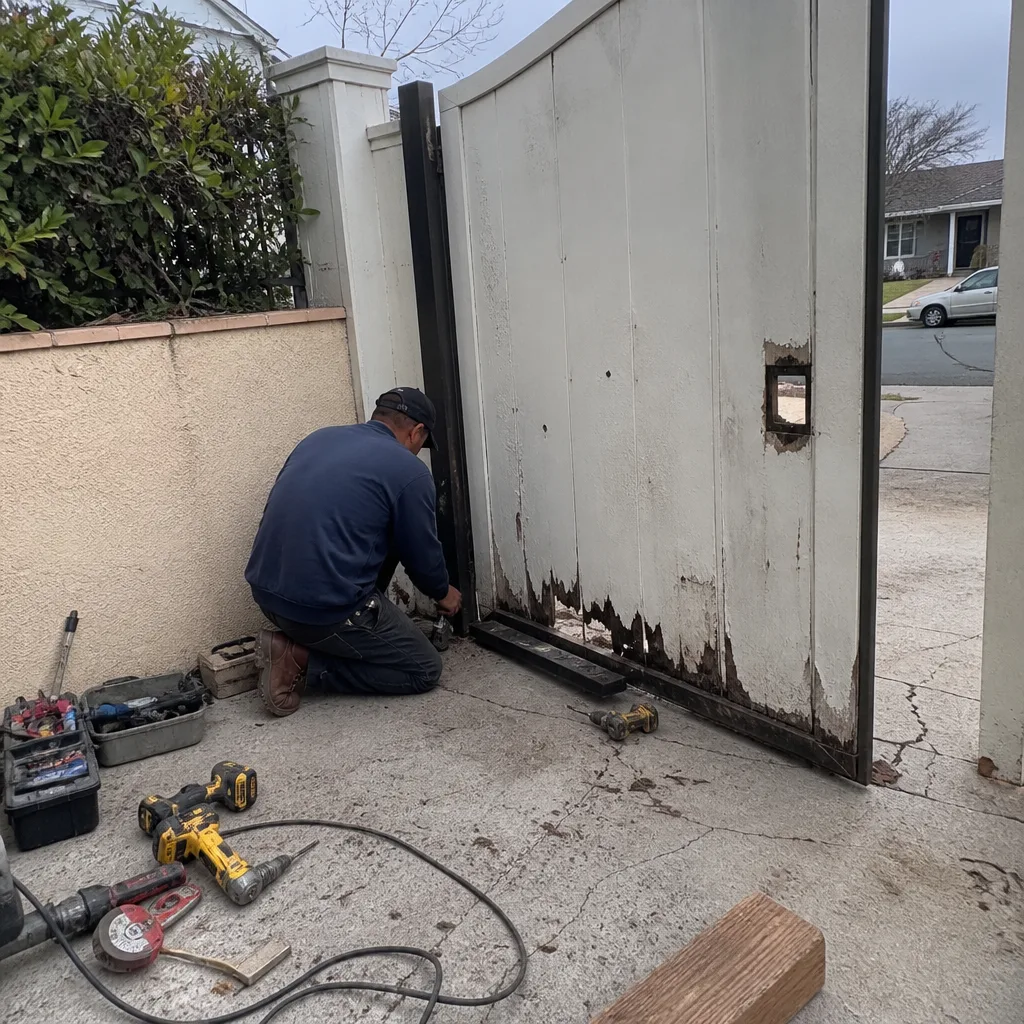 Before
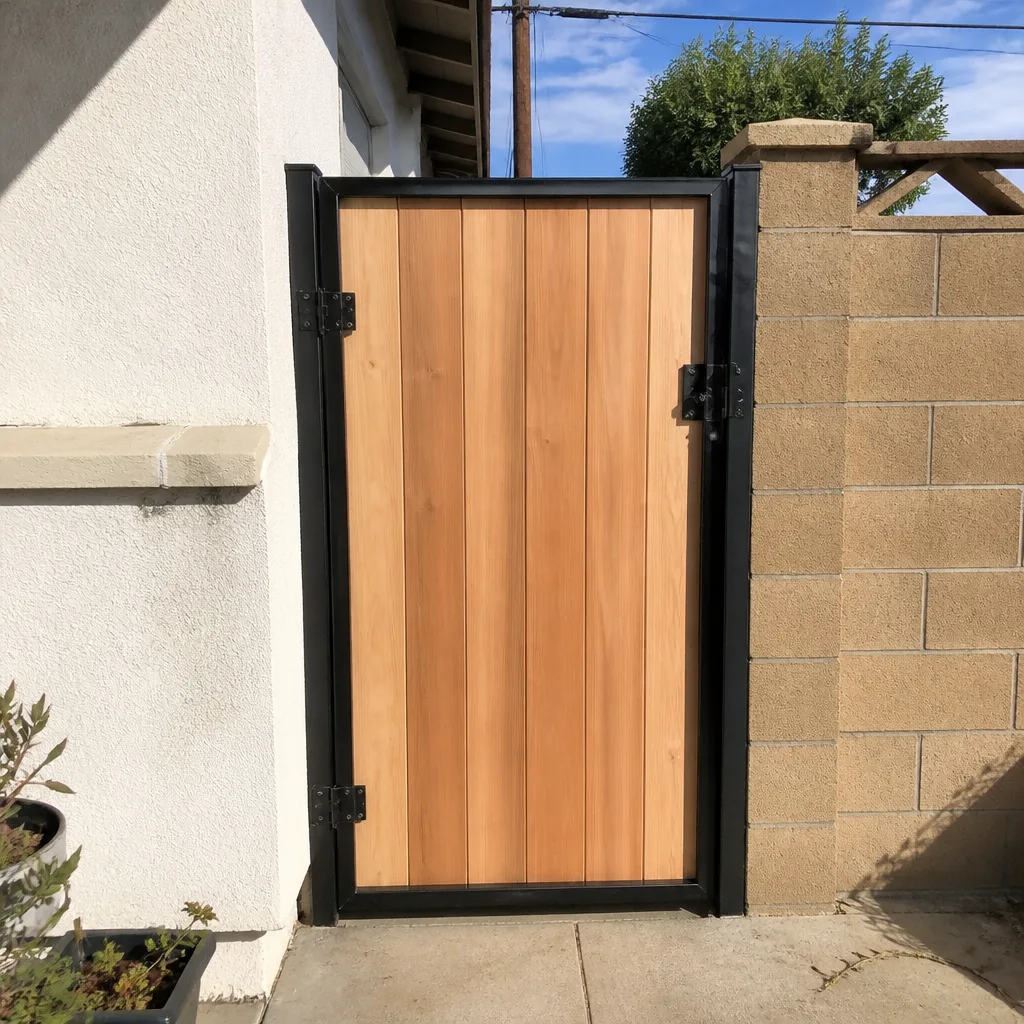 After
After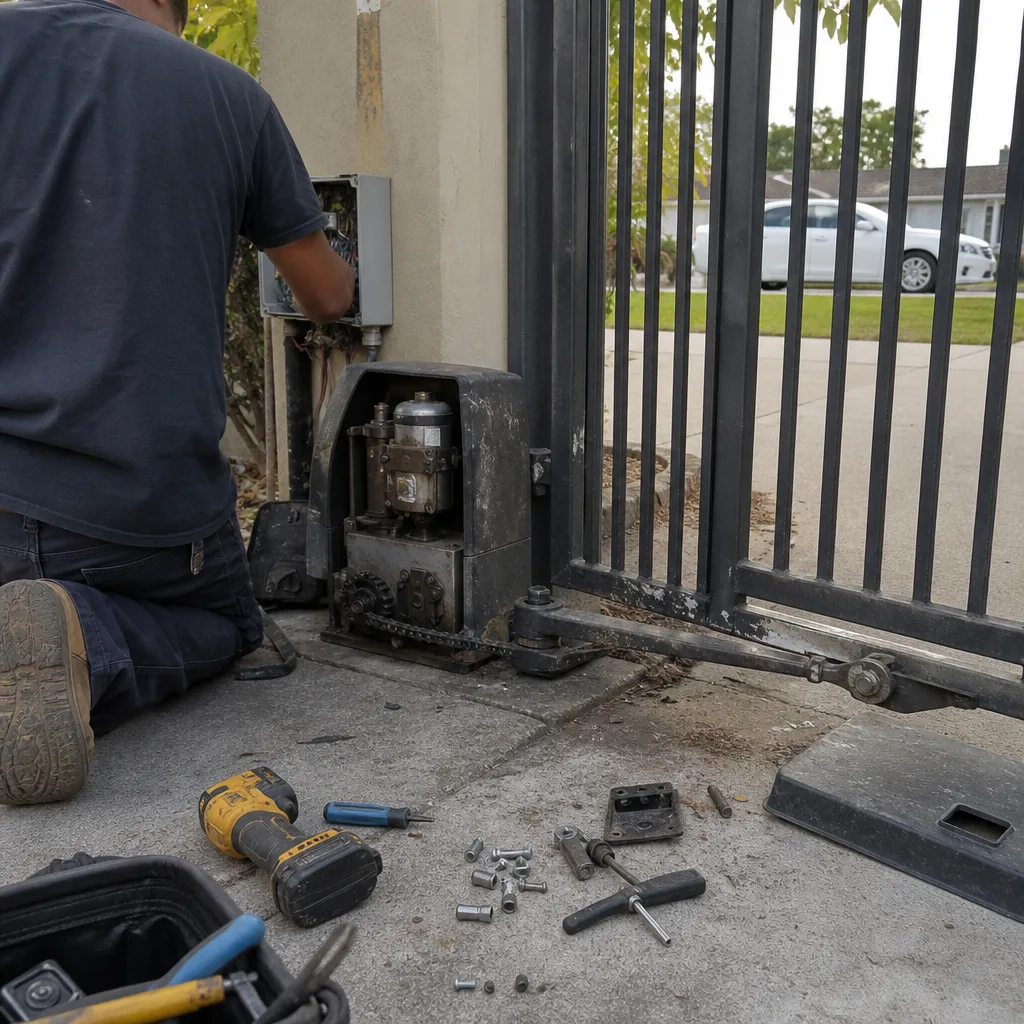 Before
 After
After Before
 After
After