
Last updated October 16, 2026
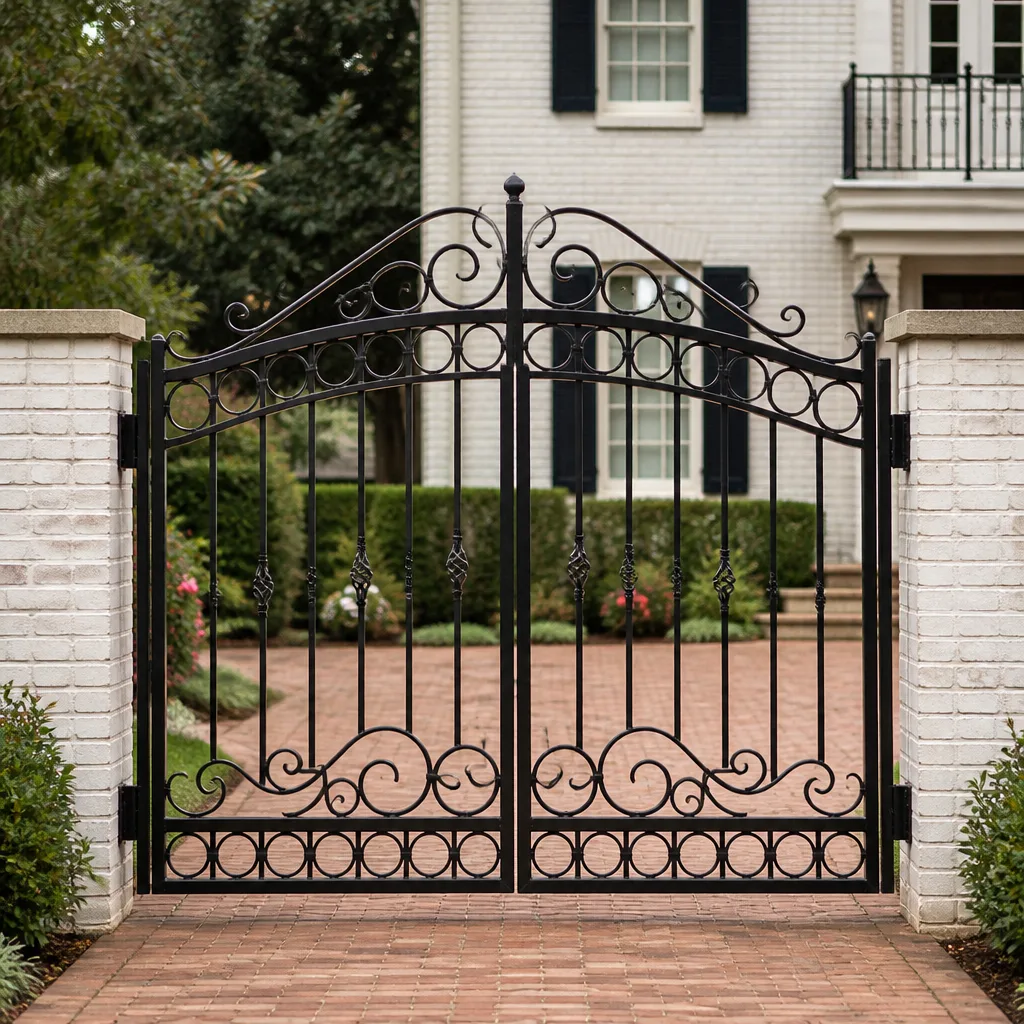 Wrought iron
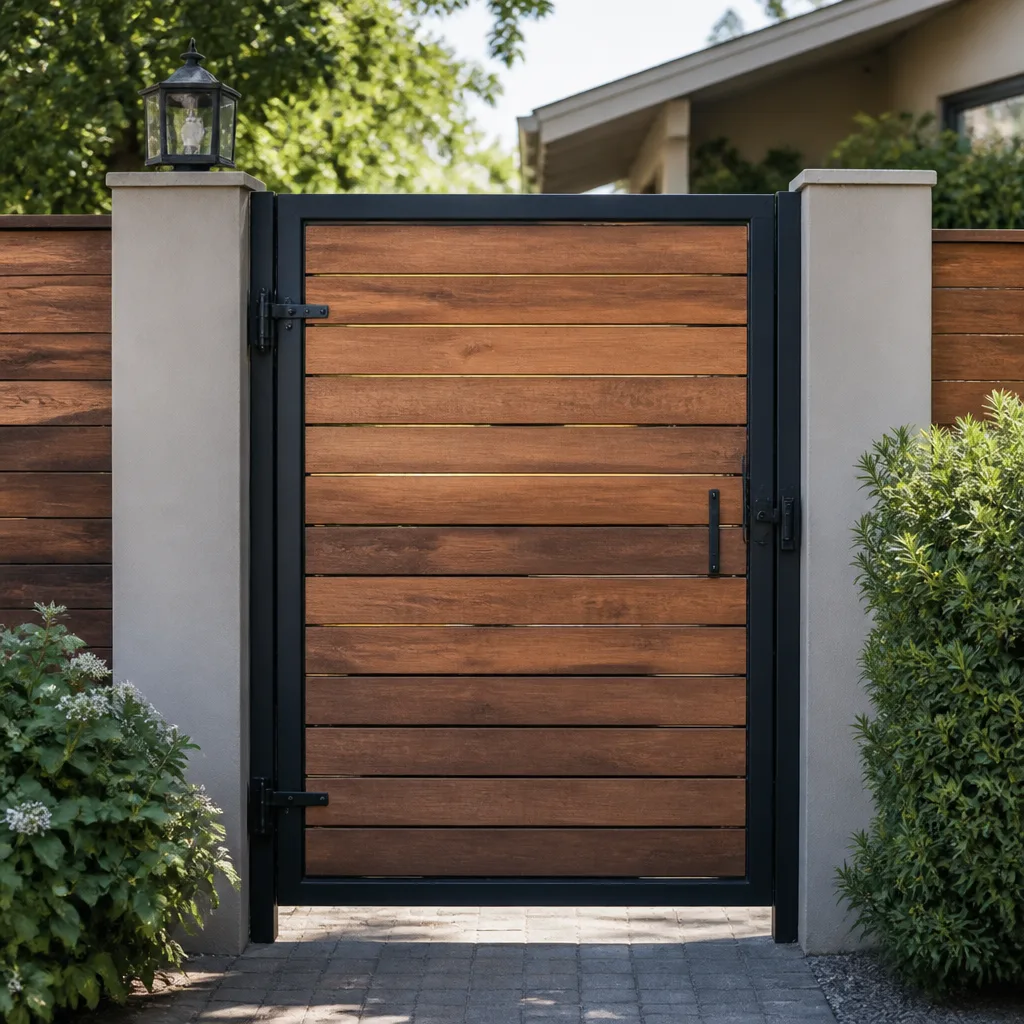 Wood & steel frame
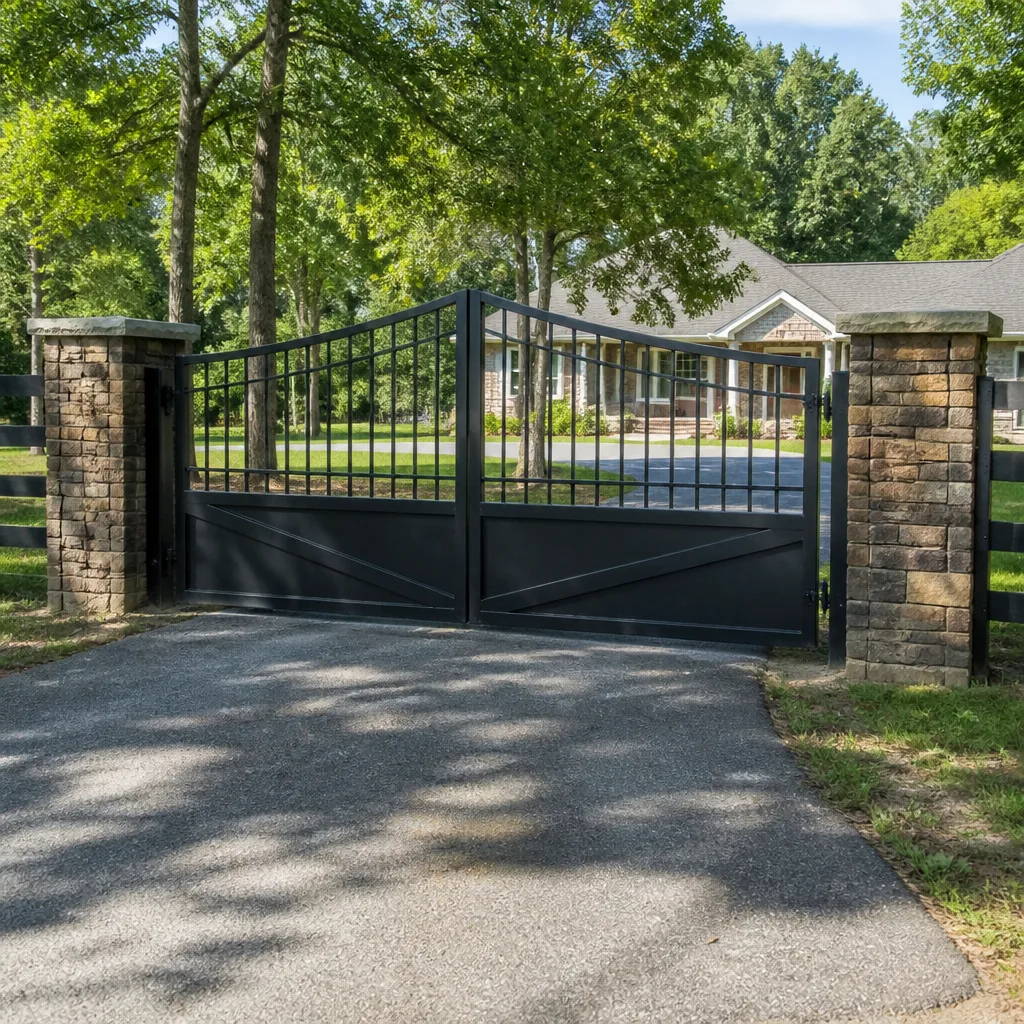 Farm & ranch
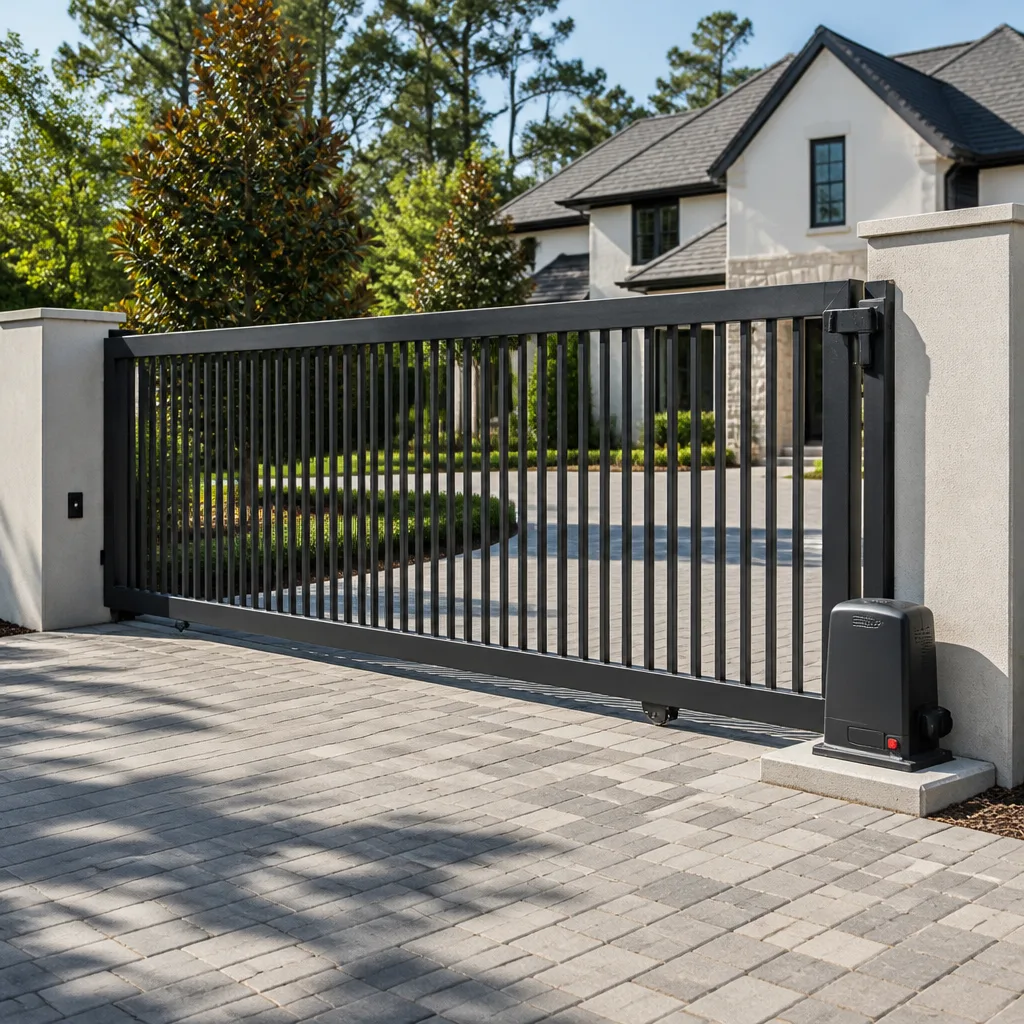 Sliding driveway gates
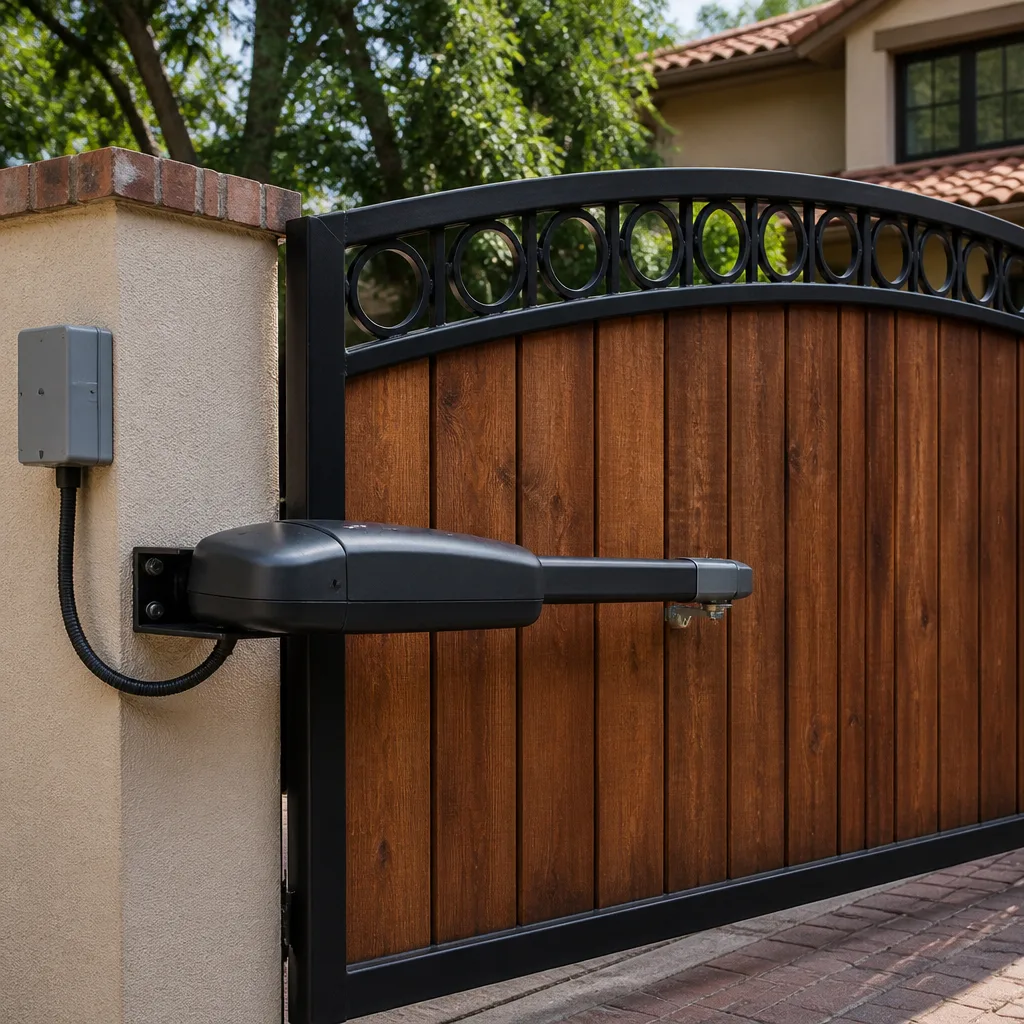 LiftMaster operators
Free on-site gate assessment - hinges, posts, and your LiftMaster or Nice gate operator checked before anything is quoted
The assessment is free and the quote is the invoice.
Get your free estimateThe Complete Guide to Gate Repair in Torrance
The average Torrance homeowner who calls a generalist handyman for gate repair calls again within 14 months. Not because the handyman did sloppy work in the moment, but because the root cause was never identified. A hinge was greased when the weld was failing. A motor was replaced when the ground wire had corroded through. The symptom got patched, the underlying failure stayed put, and the gate kept breaking in slightly different ways. This guide exists to change that. It maps the three overlooked failure points that account for most repeat gate repairs in Torrance, explains how the marine layer accelerates each one, and shows you how to read a repair invoice like someone who will not be paying for the same fix twice.
Styles & brands we work with
Quick Answer
Gate repair in Torrance typically costs between $180 and $650 for mechanical fixes like hinge replacement or weld repair, and $450 to $1,200 when the gate motor or control board is involved. The three root causes behind most repeat failures in this city are hinge weld fatigue, control board ground wire corrosion driven by marine-layer humidity, and gate leaf misalignment from post anchor movement. A proper repair addresses the underlying failure point, not just the visible symptom, and should always come with a written price before work begins. For a detailed look at what to expect, see our Gate Repair Cost Breakdown: The Torrance Homeowner’s Reference for 2026.
Table of Contents
- The Three Failure Points Most Torrance Gates Share
- How Torrance’s Marine Layer Accelerates Gate Wear
- Adjustment vs. Structural Failure: Knowing the Difference Saves Money
- Brand-Specific Failure Patterns on the Gate Motors We See Most
- Why Gate Leaf Sag Is Almost Never Just a Hinge Problem
- How to Read a Gate Repair Invoice and Confirm the Root Cause Was Fixed
- Common Mistakes to Avoid
- When to Call a Professional
- Frequently Asked Questions
- The Bottom Line
The Three Failure Points Most Torrance Gates Share
After years of working on gates across the South Bay, we can say this with confidence: most gate failures in Torrance trace back to one of three specific points, and those points are almost never where the homeowner first looks. The first is the hinge weld. On a steel gate, hinges are welded to the frame or to the post. Over thousands of open-and-close cycles, that weld develops micro-fractures. The gate still swings because the weld hasn’t fully separated, but it begins to drag, or the leaf drops slightly on the latch side. A technician who greases the hinge and adjusts the latch has bought you a month. A technician who welds the hinge has fixed the gate.
The second failure point is the control board ground wire. Gate motors in Torrance live outside, usually in a metal box bolted to the gate post or a nearby wall. Inside that box, the control board relies on a clean ground connection to read limit switches, safety sensors, and photo eyes correctly. When the ground wire corrodes, which the marine layer accelerates considerably, the board starts reading phantom faults. The gate stops halfway. The motor hums but won’t move. The keypad works intermittently. A generalist will tell you the board is fried and sell you a new one. In a meaningful percentage of cases we see in Torrance, the board is fine. The ground wire terminal is green with corrosion, and cleaning or re-terminating it restores function. That’s a $120 service call instead of a $600 board replacement.
The third failure point is gate leaf alignment, and this one is the most commonly misunderstood. When a gate leaf sags, the first instinct is to blame the hinges. Sometimes the hinges are the culprit. But more often, the post itself has moved. Torrance sits on a mix of adobe clay and alluvial soil, and the freeze-thaw cycle is not dramatic here, but the wet-dry cycle is relentless. Posts set without deep concrete footings, or in clay that expands with winter rain, slowly lean. The hinge is fine. The post is tilting. No hinge adjustment can fix that. The post has to be reset, which is a different job entirely. If a technician tightens the hinge bolts and calls it done, the gate will sag again within a season.
How Torrance’s Marine Layer Accelerates Gate Wear
Torrance sits roughly two to three miles from the Pacific, and the marine layer that rolls in most evenings is not just a fog bank. It’s a salt-laced, moisture-heavy air mass that settles over everything metal. Homeowners in Torrance’s inland-adjacent neighborhoods still get this effect, though it weakens slightly the further north and east you move. The practical consequence for gates is straightforward: everything corrodes faster here than it does in, say, Orange or Anaheim. Hinge pins that might last twelve years in a dry climate can seize in eight. Motor housings develop rust blooms at the bolt holes. Terminal strips inside control boxes turn green with corrosion even when the box is sealed.
This is not a reason to avoid metal gates, but it is a reason to be deliberate about materials and maintenance. Powder-coated steel holds up well in Torrance if the coating is intact and the hinge points are stainless or galvanized. Bare steel, even painted, will eventually rust at the weld seams, which is where the failures begin. We’ve seen hinges on Torrance gates where the pin itself looked fine but the barrel had rusted from the inside, and the first visible sign was a grinding sound on open, especially after a damp night. By the time you hear that, the hinge is done. The fix is replacement, not lubrication.
For homeowners near the coast, there are two practical moves. First, choose gate hardware rated for coastal environments: 316 stainless hinges, galvanized or powder-coated posts, and control boxes with gasketed seals. Second, budget for an annual inspection that includes cleaning terminal connections and checking the hinge welds. The annual inspection costs a fraction of what a mid-cycle motor or hinge failure costs, and it catches the corrosion before it takes something down.
Adjustment vs. Structural Failure: Knowing the Difference Saves Money
The single most expensive confusion in gate repair is the difference between a gate that needs adjustment and a gate that has a structural failure. Adjustment means the gate is fundamentally sound, but its limit switches, safety sensors, or latch position have drifted out of spec. This is tight, routine work: set the open and close limits on the arm operator, re-align the photo eye, adjust the latch strike plate so it catches cleanly. Adjustment calls typically run $120 to $250, and they should be one visit.
Structural failure means something load-bearing has broken or is about to break. That includes hinge weld fractures, post lean, broken gate leaf frame members, and fatigue cracks at the point where the operator arm attaches to the gate. These failures do not respond to adjustment. You can adjust the limit switch on a gate with a cracked hinge weld all day, and the gate will still bind, because the leaf is not swinging on its intended axis. The adjustment will seem to help for a few days, then the gate will slowly go back to misbehaving. That’s the tell.
Here is a simple way to think about it in Torrance’s terms. If the gate is misbehaving but the leaf is plumb and the hinges are tight, you’re probably in adjustment territory. If the leaf has dropped visibly, or the gate scrapes the driveway, or the operator arm looks like it’s fighting the gate on half the travel, you’re looking at structure. A technician who quotes you for an adjustment without inspecting the hinge welds and checking post plumb is guessing. We don’t guess. We check. And we tell you which category you’re actually in before any work starts.
Brand-Specific Failure Patterns on the Gate Motors We See Most
Torrance gates run on a wide mix of motor brands, because different installers over the years have supplied different equipment. We work on nine major brands. Each one has its own characteristic failure modes, and knowing them means we can often diagnose the problem from the symptom alone, then confirm with testing. Here are the patterns we see most often on the brands common in this area.
LiftMaster: The most common LiftMaster failure we see is the limit switch assembly wearing out in the piston-style operators. The motor runs, the gate moves, but the stop point drifts. Homeowners report the gate closing too far or not closing far enough. The second most common is capacitor failure, which shows up as a hum with no movement. Both are repairable without replacing the whole operator.
FAAC: FAAC operators are hydraulically driven and generally durable, but the hydraulic fluid level drops over time and the gate starts moving slower in cold weather, which in Torrance means the odd January morning. Low fluid also makes the gate stop mid-cycle. FAAC control boards also have a known sensitivity to ground faults, which compounds the marine-layer corrosion issue. A good FAAC diagnosis starts with fluid level and ground integrity.
Linear: Linear swing operators have a distinctive failure in the worm gear assembly. It starts as a clicking sound during operation, then progresses to the gate stalling. Some technicians call it a motor failure and quote a full replacement. In many Linear units, the gear is a replaceable cartridge, and the repair is a couple hundred dollars rather than a full operator swap.
Viking: Viking operators are built for heavy commercial gates, but plenty of them end up on residential estates in Torrance. Their weak point is the maglock and sensor circuit. When a Viking gate refuses to close, the first thing we check is whether a safety loop or photo eye is showing a phantom obstruction. Field wiring terminals corrode, the loop detector sees a fault, and the gate holds open for safety. Cleaning and re-terminating the field wiring often resolves it.
Why Gate Leaf Sag Is Almost Never Just a Hinge Problem
Gate leaf sag is the most blamed-upon symptom in residential gate repair. A homeowner sees the gate scrape the driveway, or sees the latch side sitting an inch lower than the hinge side, and assumes the hinges are worn. The reality is more layered. Hinges are half of the equation. The post anchor is the other half, and posts in Torrance have a particular vulnerability tied to local soil.
Torrance is a city built on terrain that ranges from coastal plain to the low hills of the Palos Verdes Peninsula’s northeastern edge. In the flatland areas, much of the native soil is a clay-heavy loam that expands when wet and contracts when dry. A gate post set in a concrete collar that’s too shallow, or one that was poured without reinforcing, will gradually drift out of plumb as the surrounding soil goes through its wet-dry cycles. The post doesn’t fall over. It leans, slowly, over two or three years, just enough to pull the top hinge out of line with the bottom hinge. The gate leaf then binds on the bottom hinge, and the extra stress wears the hinge bushings. By the time the sag is visible, you have two problems: the post is out of plumb and the hinge has worn from fighting the misalignment.
The correct repair sequence matters. If you replace the hinge but leave the leaning post, the new hinge wears out fast. If you reset the post but don’t inspect the hinges, the gate may still bind if the old hinge has already been wallowed out. A proper repair addresses both. That’s why our gate repair work in Torrance always starts with a plumb check on the posts. It costs nothing to check, and it prevents a misdiagnosis that would cost you a second service call.
How to Read a Gate Repair Invoice and Confirm the Root Cause Was Fixed
Most homeowners don’t know how to read a gate repair invoice, and that’s not their fault. Invoices are written in trade shorthand, and the line items don’t always make clear whether the root cause was addressed or just the symptom. Here’s the method we recommend, and it applies to any gate repair in Torrance, whether you hire us or someone else.
- Look for diagnosis language, not just parts language. An invoice that says “replaced right gate hinge” tells you what was done, but not why. An invoice that says “replaced right gate hinge after finding weld fatigue at hinge pin, post confirmed plumb, latch adjusted” tells you the technician found a cause and checked the adjacent systems. The first invoice is a patch. The second is a repair.
- Check for a post-inspection note. After the replacement parts are in, a real gate tech cycles the gate several times and checks for drift, binding, and clean sensor reads. If the invoice has no mention of testing or cycle check, that’s a red flag.
- Confirm the price matched the quote. The written estimate you approved before work began should be the number on the final invoice. If there was a change in scope, it should be documented with a new written approval. Anything else is moving the price at the door.
- Ask what was checked and not replaced. This is the most revealing question. If the hinge was replaced, was the other hinge checked? Was the post checked for plumb? Was the ground wire cleaned? A technician who can answer those questions was working the problem. A technician who can’t was working the symptom.
At Carver Gate Repair Torrance, every invoice includes the diagnosis, the work performed, and the test results, and it’s backed by our written guarantee. If a repair we make fails inside a year, we return and fix it at no charge. That’s the Gate Repair in Torrance standard we work to, and it’s the standard we’d recommend you demand from anyone who touches your gate.
Common Mistakes to Avoid
- Greasing a failing hinge. Grease reduces friction, but it does not fix a cracked weld or a worn pin. It often masks the symptom just long enough for the hinge to fail fully, usually at the worst possible moment. In Torrance’s marine air, a greased hinge also attracts salt-laden grime, which accelerates wear on the parts that were still working.
- Replacing the motor without checking the ground wire. A corroded ground terminal can mimic a dead control board almost perfectly. Before you approve a motor or board replacement, insist the technician verify ground integrity first. This single step has saved Torrance homeowners thousands of dollars.
- Ignoring a slowly sagging gate leaf. Sag is a progressive failure. The longer it goes, the more parts it takes down: hinges, latch, operator arm, sometimes the post footing. A $300 hinge replacement becomes a $900 post reset and hinge job if you wait too long.
- Using a generalist for structural gate work. A handyman who fixes fences and gates among other things is not going to spot the subtle difference between a worn hinge and a leaning post. Gate work is its own trade. It involves welding, low-voltage electronics, and operator-specific diagnostics, and the generalist’s skill set rarely covers all three.
- Skipping the annual inspection on a coastal gate. In Torrance, salt-laced humidity is relentless. An annual check of hinge welds, terminal blocks, and post plumb costs a fraction of the repairs it prevents. Coastal gates don’t fail suddenly. They fail after a long period of quiet corrosion, and the inspection catches it early.
- Accepting a verbal estimate. If a technician won’t put the price in writing before work starts, find another technician. A verbal estimate is not an estimate. It’s a starting point for negotiation after the gate is in pieces.
When to Call a Professional
Gate repair spans a wide range of difficulty, from simple adjustments you could do yourself to structural work that requires welding gear and a working knowledge of low-voltage circuits. The dividing line is straightforward. If the gate is binding, scraping, sagging, or making grinding noises, the hinge or post structure is involved, and that’s professional territory. If the motor runs but the gate won’t move, or the gate reverses erratically, the limit switches, safety sensors, or control board are involved, and those are also professional territory. The gate motor’s high-tension components and the gate leaf itself weigh hundreds of pounds. A gate under spring or operator tension can cause serious injury if it releases mid-repair. This is not a trade to learn on your own gate. Carver Gate Repair Torrance offers free estimates in Torrance, and you can reach us at (424) 757-9824. A five-minute call with a real person will tell you whether the issue is urgent or routine, and you’ll get a written price before any work starts.
Frequently Asked Questions
Expect to pay $180 to $650 for mechanical repairs like hinge replacement, latch adjustment, or localized weld work, and $450 to $1,200 for motor or control board repairs, depending on the brand and the extent of the damage. Coast-side corrosion sometimes adds a surcharge when the repair requires cleaning or replacing corroded terminals and housings. Call (424) 757-9824 for an exact quote, and you’ll receive a written price before any work begins.
Yes. Carver Gate Repair Torrance answers calls with a live person 24 hours a day, every day of the year, and same-day dispatch is available for urgent gate failures across Torrance. Whether you’re near the Del Amo Fashion Center or up in Southwood, we’ll schedule a specific arrival window and you’ll get a written price before the work starts. Call (424) 757-9824.
We work on nine major gate motor brands: LiftMaster, FAAC, BFT, Linear, Viking, Ghost Controls, DoorKing, Elite, and Mighty Mule. Our technicians are trained on the specific diagnostics for each brand, so the right parts and the right method are matched to the system already installed on your Torrance property.
If your gate keeps failing after repeated repairs, the root cause was likely never identified. The three most common missed causes in Torrance are hinge weld fatigue, a corroded control board ground wire, and a leaning gate post that keeps pulling the leaf out of alignment. The right fix starts with a full diagnosis, not a symptom patch. That’s the standard we work to on every Gate Motor Repair in Torrance job.
The answer depends on what’s failing. If the posts are plumb, the frame is straight, and the motor is one we support, repair is usually the better financial call. If the post footings have shifted or the gate frame is rusted through in multiple places, you’re looking at replacement economics. We’ll give you an honest assessment on both paths. For a full replacement, see our Gate Installation in Torrance guide.
Inland, a quality gate motor lasts eight to twelve years. In Torrance’s coastal air, the marine layer tends to cut that to six to ten years on unprotected installs, after which terminal corrosion usually claims the board before the motor itself fails. Annual terminal cleaning and a gasketed control box can extend that lifespan meaningfully. The motor repair and replacement costs are worth planning for as the system ages. For the full picture, start at our Carver Gate Repair Torrance home page.
The Bottom Line
Gate repair in Torrance is not a lottery. It’s a diagnosis problem. Most failures trace back to the same three points: hinge welds, ground wire corrosion, and post-driven misalignment. When you know those points, you know what to ask a technician, what to look for on an invoice, and what to watch for as your gate ages in a coastal climate. The difference between a gate that lasts and a gate that needs a call every year is whether the person fixing it understands the failure point, not just the failure. That’s the standard we hold ourselves to on every job: written prices, checked-against-the-root-cause repairs, and a full-year guarantee in writing. For Gate Repair services in Torrance, call (424) 757-9824. Call (424) 757-9824, and we’ll walk your gate and tell you honestly what it needs.
Written by Lonnie Burke, Owner at Carver Gate Repair Torrance, serving Torrance since 2008.
See the difference
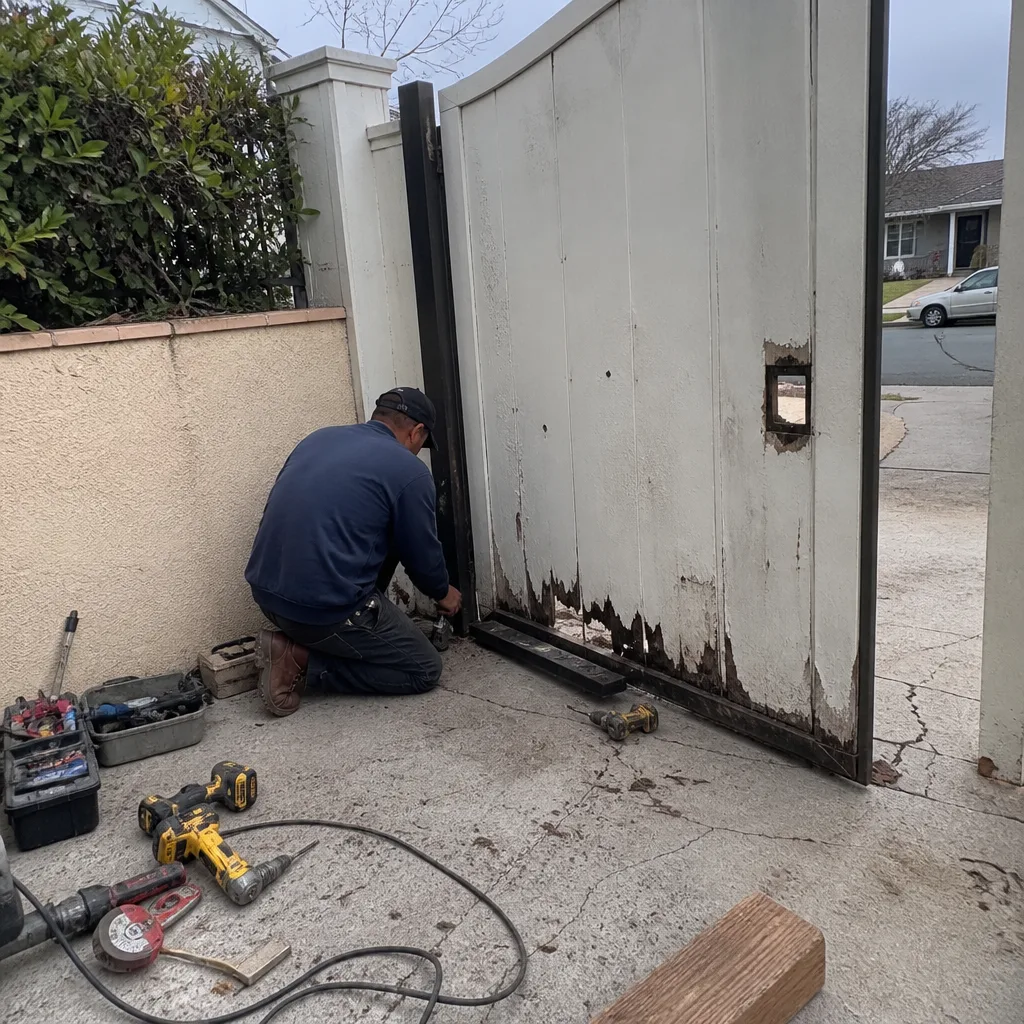 Before
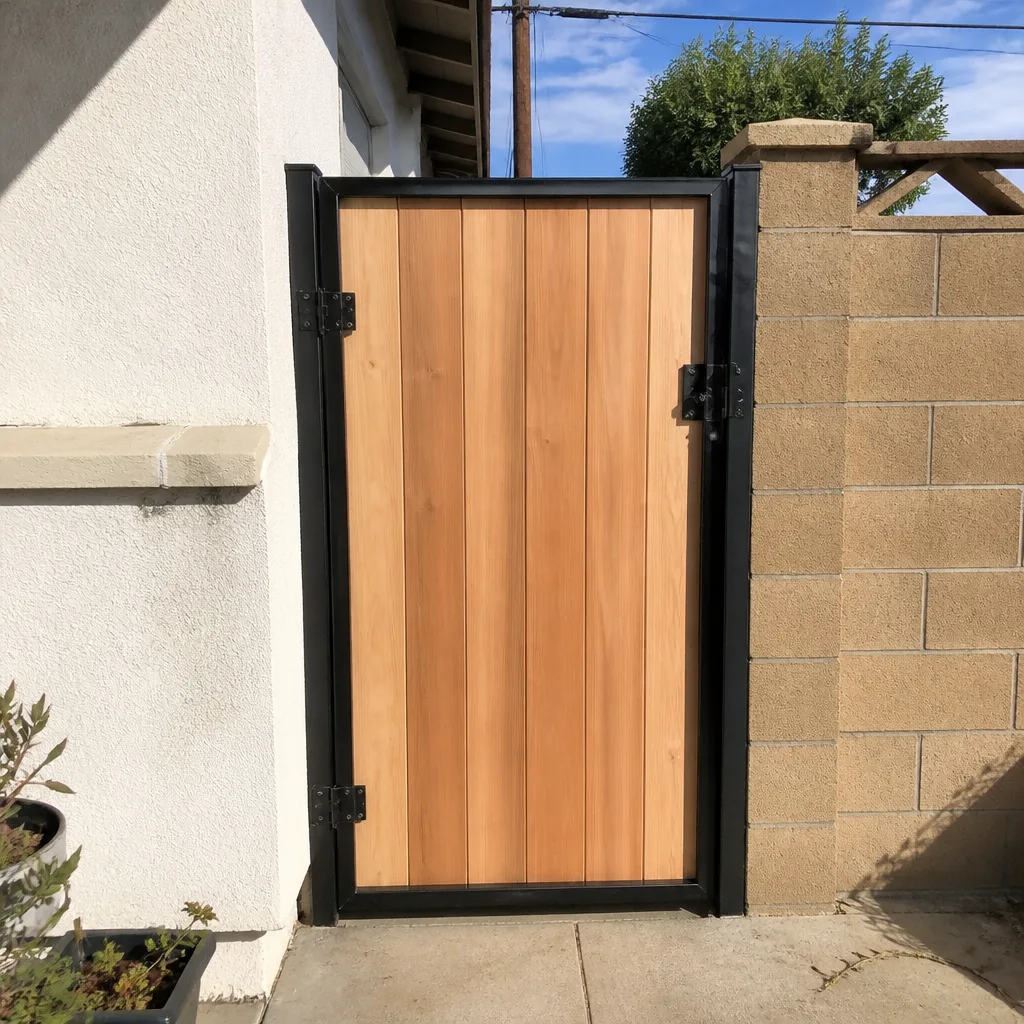 After
After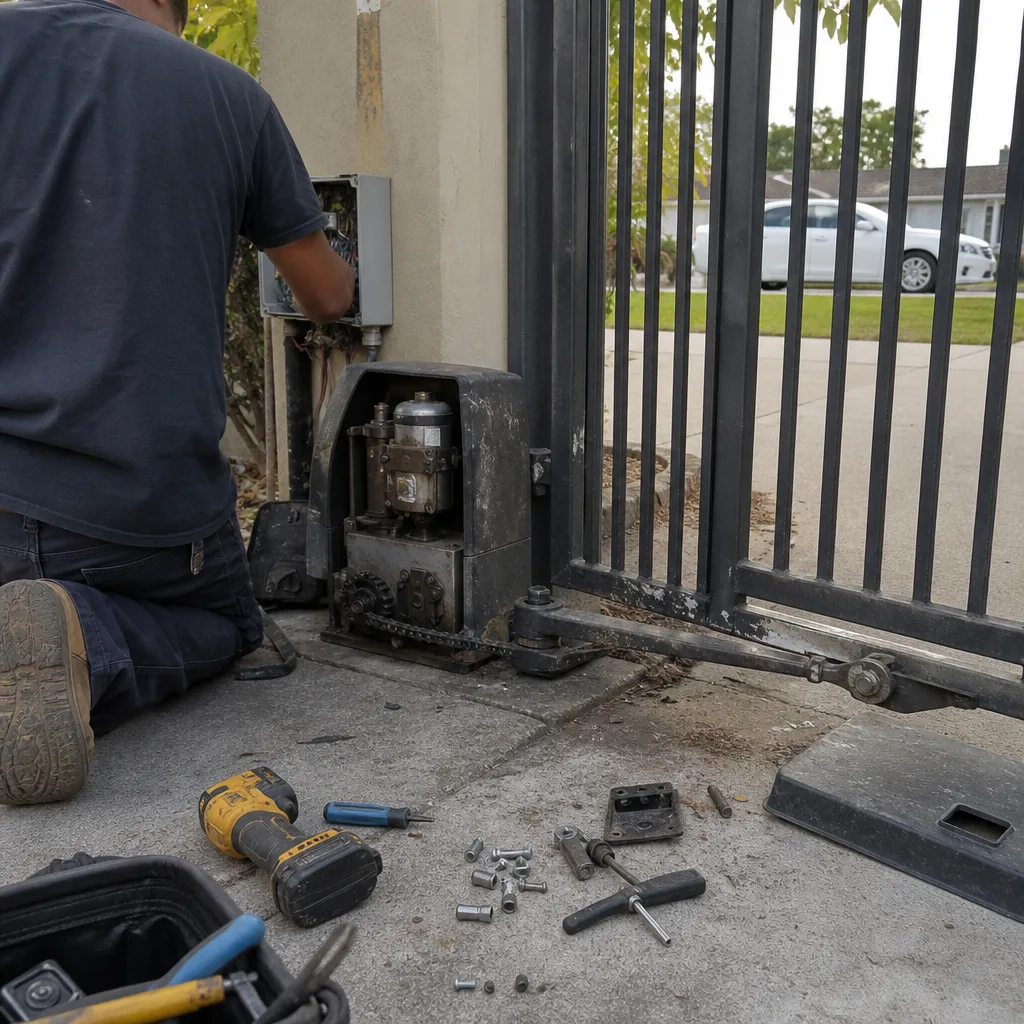 Before
 After
After Before
 After
After