
Last updated October 16, 2026
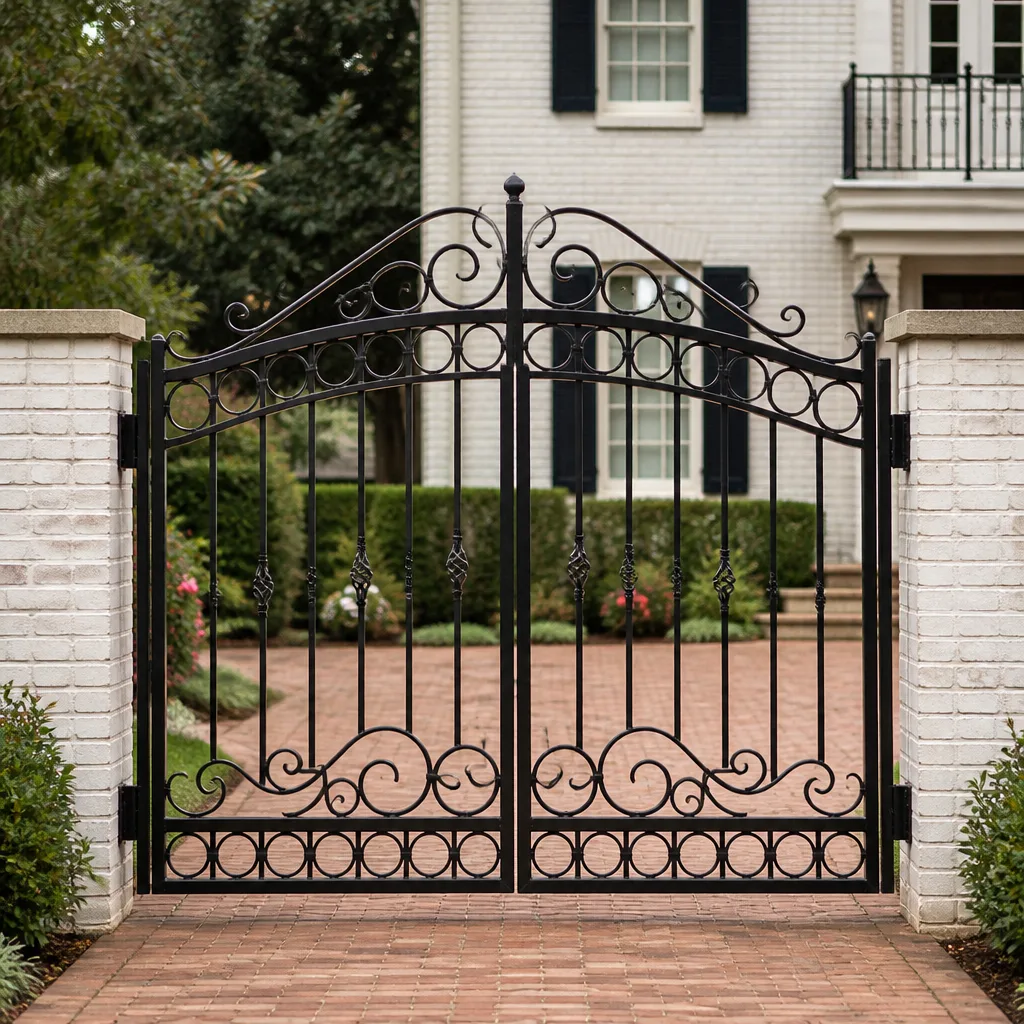 Wrought iron
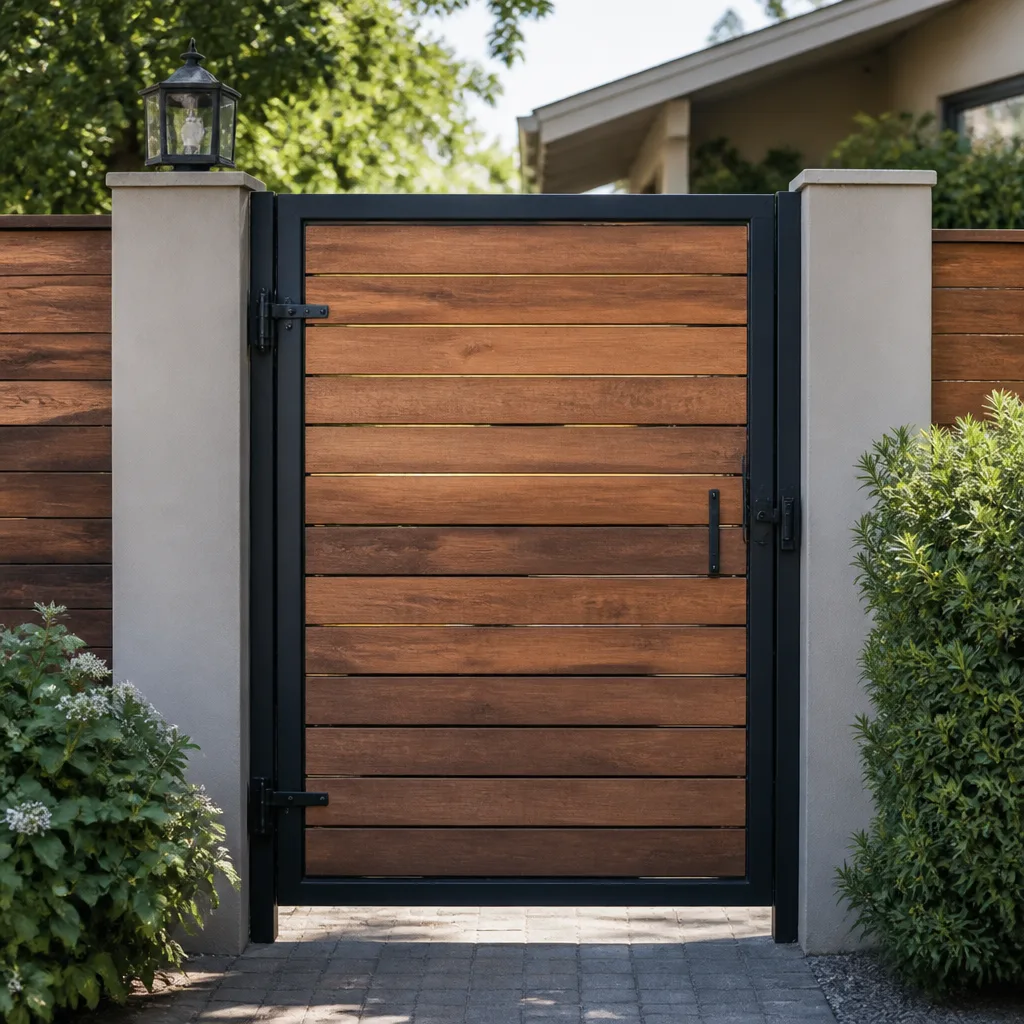 Wood & steel frame
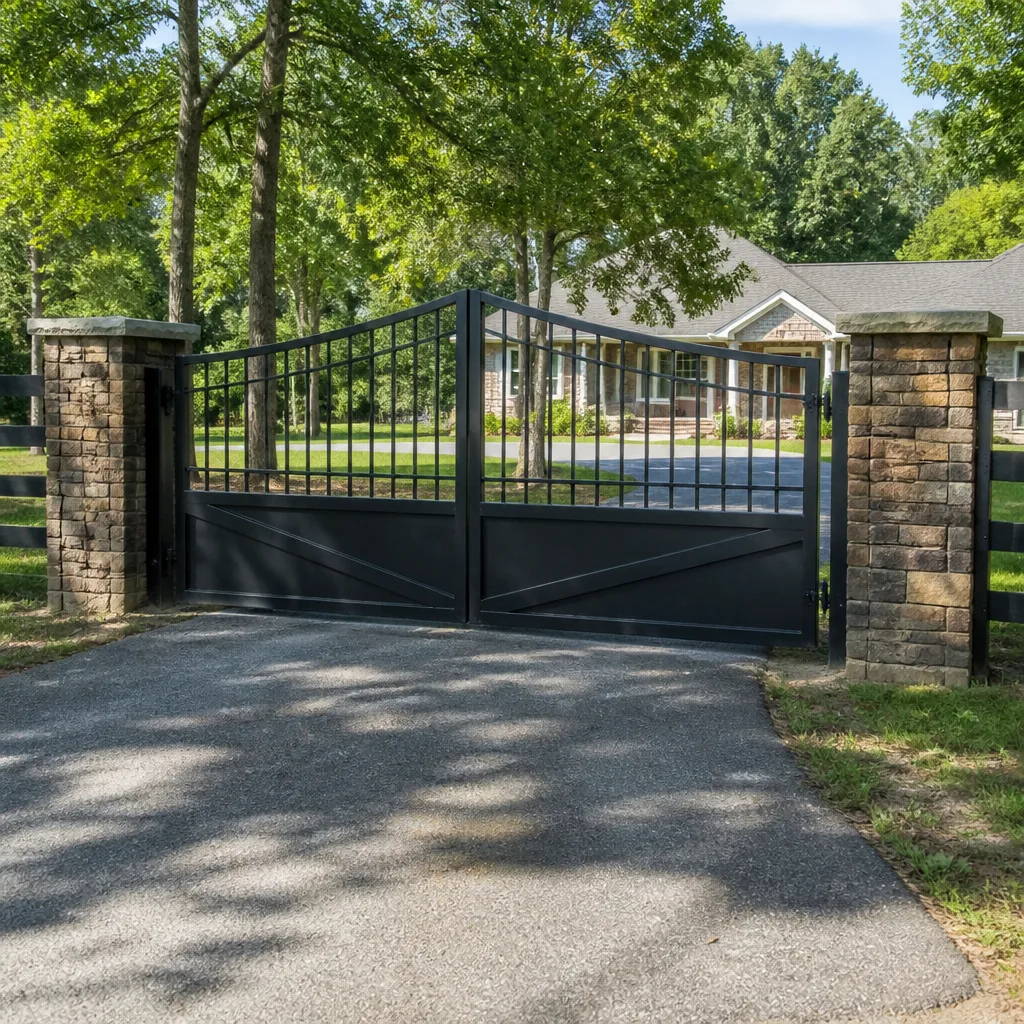 Farm & ranch
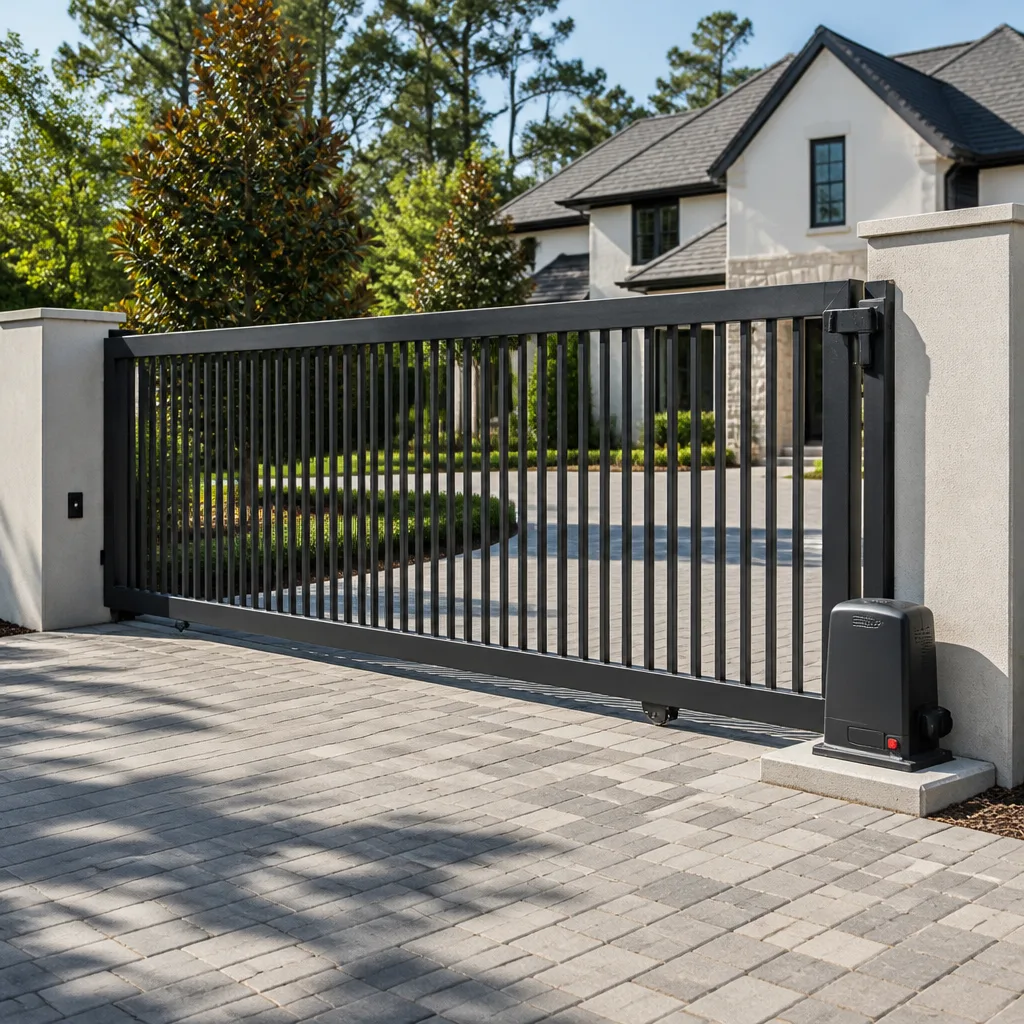 Sliding driveway gates
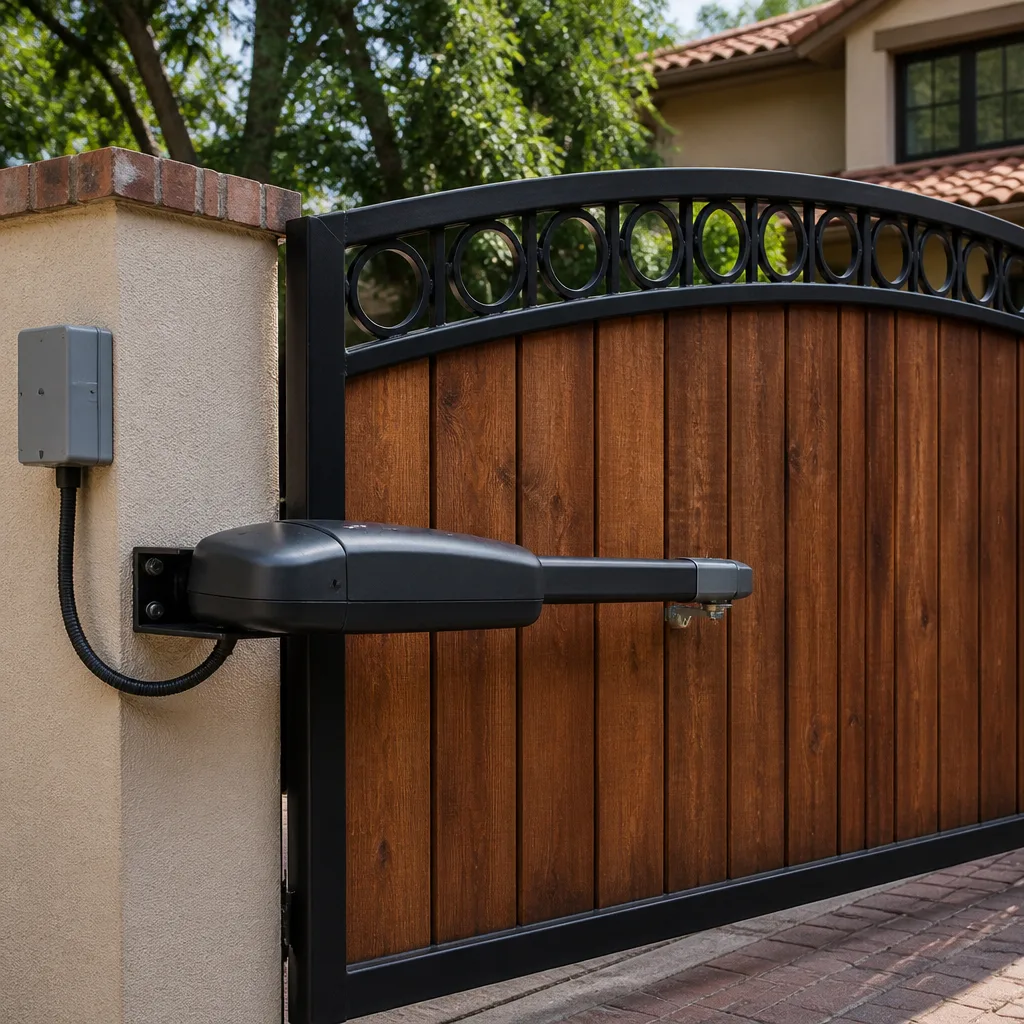 LiftMaster operators
Free on-site gate assessment - hinges, posts, and your LiftMaster or Nice gate operator checked before anything is quoted
The assessment is free and the quote is the invoice.
Get your free estimateGate Repair Permits, Codes & Inspections in CA: What You Need to Know
Most California homeowners assume any gate work triggers a permit. The opposite is true. The majority of gate repairs in Torrance, from replacing a sagging hinge to swapping out a broken limit switch, require no permit at all. But the specific jobs that do trigger permits are the ones people misread as simple: motor replacement on a gate near a public sidewalk, adding a pedestrian gate to an existing fence line, or upgrading to a swing operator with a longer arm. The line between exempt repair and permitted construction is narrow, and it matters. A Torrance homeowner learned this the expensive way when she had a new gate motor installed without a permit, sold her house three years later, and watched the unpermitted electrical work flag during escrow. Remediation cost her three times the original job. This guide draws the line clearly so you know which side of it your gate work falls on, and when to call our Gate Repair services for help.
Quick Answer
Most gate repair work in California does not require a permit. Repairs to existing permitted gates, replacing like-for-like parts such as hinges, wheels, or a failed gate motor on the existing circuit, and routine maintenance are exempt under California Building Code Title 24 and most municipal codes, including Torrance’s. What does require a permit: new gate installation, adding or relocating electrical service to a gate, installing a new pedestrian gate in an existing wall or fence, and structural changes to a gate that alter its load path. When in doubt, call the Torrance Building and Safety Division at (424) 757-9824 before work starts, or have your contractor verify the permit status in writing.
Styles & brands we work with
Table of Contents
- Which Gate Work Requires a Permit in California vs. What’s Exempt
- How Torrance Municipal Code Interacts with California Building Code Title 24
- UL 325 Compliance: What the Inspection Actually Checks
- The Permit Process Timeline for Torrance Residential Gate Work
- Retroactively Permitting Gate Work Already Completed
- Safety Entrapment Zones and Where Codes Apply to Existing Gates
- What Permits and Inspections Cost in Torrance
Which Gate Work Requires a Permit in California vs. What’s Exempt
California Building Code (CBC) Title 24 governs gate work at the state level, and it draws a clear line between repair and new work. Under CBC Section 105.2, work that is “repair” – meaning the restoration of a component to its original condition – is exempt from permit requirements. Work that is “alteration,” “addition,” or “new construction” requires a permit. For gates specifically, this means:
Exempt from permit (repair or like-for-like replacement):
- Replacing a broken hinge, wheel, roller, or track component on an existing gate with a part of the same size and function.
- Replacing a failed gate motor with a new motor of the same voltage and amperage on the existing circuit, provided no new wiring is pulled. In our experience, this covers most gate motor repair in Torrance – a motor swap on a residential driveway gate, on the existing conduit, is a repair.
- Replacing a damaged gate panel or slat with a like-for-like panel that does not change the gate’s weight, height, or structural load.
- Repainting, re-staining, or surface treatment of an existing gate.
- Replacing a limit switch, safety sensor, keypad, or remote receiver on an existing automated gate.
Requires a permit (alteration, addition, or new work):
- Installing a new gate where none existed before.
- Adding a pedestrian gate to an existing fence or wall, even if the main gate remains untouched.
- Replacing a manual gate with an automated gate, because this requires new electrical service.
- Changing the swing direction of a gate, which alters the structural load on the post and may require new footings.
- Extending a gate’s width or height, raising its weight class, or changing from a slide gate to a swing gate.
- Adding or relocating electrical service to a gate, including running a new line from the panel to the operator.
- Installing a gate that exceeds 84 inches in height, which triggers additional engineering requirements in many jurisdictions.
The homeowner mistake we see most often involves that second bullet. A pedestrian gate in a side fence feels like a small project. It is not. It is a structural alteration to the fence line, and Torrance code requires a permit for it. The same applies to any gate that will be automated and sits within 10 feet of a public sidewalk. That proximity triggers the full UL 325 compliance path, which we cover below.
How Torrance Municipal Code Interacts with California Building Code Title 24
Torrance adopts the California Building Code with local amendments, and the key sections for gate work live in Torrance Municipal Code Chapter 46, which governs building regulations. The short version: Torrance follows the CBC’s permit triggers and adds a layer of zoning and setback requirements that affect where a gate can sit on a residential lot. A gate is a structure, and like any structure, it must respect front, side, and rear setback lines. In many Torrance neighborhoods, from Old Torrance to Southwood to the hillside lots off Palos Verdes Boulevard, the front setback is 20 feet from the property line. A driveway gate that sits forward of that line, even if it existed before the current code cycle, triggers a zoning review when any alteration happens.
Here is the interaction homeowners need to understand. Title 24 says a permit is required for new gate installation and for electrical service additions. Torrance Municipal Code says, in effect, yes, and we may also require a zoning clearance letter before we issue that permit. For a gate that is purely decorative and sits at least six feet from any public sidewalk, the zoning side is straightforward. For a gate that will be automated, which means it has a motor, a control board, and a power supply, Torrance code references UL 325 directly for the safety device requirements. That reference is not optional.
We see a specific pattern in Torrance’s hilly neighborhoods, like the sections of South Torrance that climb toward the Del Amo corridor. Lots there are often terraced, and a gate at the street level sits at the bottom of a slope. The code treats that gate differently because a run-away gate on a slope adds a gravity hazard. In those cases, the inspector will look specifically at the gate’s roll-stop or end-stop hardware, and at whether the operator has a battery backup capable of holding the gate in place during a power outage. These are not optional upgrades; they are code references triggered by site conditions.
UL 325 Compliance: What the Inspection Actually Checks on an Automated Gate
UL 325 is the safety standard for automated gate operators, and it has been incorporated into California building code as a mandatory reference. Any automated gate in California, including every automated gate in Torrance, must have an operator that carries a UL 325 listing and must be installed with the entrapment protection devices required by the standard. When an inspector reviews an automated gate installation, here is what they check, point by point:
- Operator listing: The gate operator must have a UL 325 listing label visible on the unit. No label, no pass. This applies to every brand we work on, from Ghost Controls to DoorKing, Elite, and Mighty Mule.
- Entrapment sensors: The gate must have photoelectric sensors across the gate opening, mounted to detect a person or object in the gate’s path. For swing gates, the sensors must be positioned to prevent entrapment at the hinge pinch point, which is the most common injury zone.
- Contact or non-contact edge sensors: Slide gates and swing gates must have either contact edges (pressure-sensitive strips along the leading edge) or non-contact sensors (photocells or light curtains) that stop and reverse the gate on contact.
- Warning signage: UL 325 requires specific warning signs mounted on both sides of an automated gate, visible from the public approach. The text is prescriptive: “WARNING – Moving Gate Can Cause Serious Injury or Death.” The inspector checks for this. In our experience, roughly one in three automated gate installations we are called to in Torrance is missing these signs, and it is always flagged.
- Secondary entrapment protection: The operator must have an inherent entrapment sensing system (usually a current-sensing circuit that reverses the motor when resistance increases) in addition to the external sensors. This is the backup layer, and the inspector tests both.
- Manual release: The operator must have a manual release mechanism that allows the gate to be opened by hand in an emergency, and it must be accessible from outside the gate. This is a common failure point on retrofitted gates where the release handle is on the inside only.
- Force settings: The inspector checks the operator’s force settings to confirm the gate reverses on contact with a solid object and does not exceed the maximum closing force allowed by the standard.
When is a UL 325 inspection legally required? Any time a new automated gate is installed or an existing manual gate is automated. The inspection is part of the building permit process and happens when the gate is complete and powered. For existing automated gates that are being repaired, no inspection is triggered so long as the repair is like-for-like. That said, we recommend any homeowner with an automated gate more than ten years old have the entrapment devices verified, because UL 325 was updated in 2016 and again in 2019, and gates installed before the updates may not meet the current safety requirements. The code does not force retroactive compliance for existing gates, but a buyer’s inspector will flag it during a home sale. For a deeper look at how we handle motor work in Torrance, see our guide to gate repair in Torrance.
The Permit Process Timeline for Torrance Residential Gate Work
Torrance has streamlined residential permits, and a gate permit is classified as a minor building permit for most single-family projects. Here is the How to Hire a Gate Repair Contractor in Torrance: A Step-by-Step Guide timeline we use when we handle the permit side for a Torrance homeowner:
- Plan submission (day 1): The contractor or homeowner submits a site plan showing the gate location, the setback from the property line and any public sidewalk, the gate type and dimensions, and the operator specifications if the gate is automated. For most residential gates, a simple sketch on the permit application form is enough. Torrance does not require engineered plans for gates under 7 feet tall and 16 feet wide.
- Plan review (days 2 to 7): The Building and Safety Division reviews the application. For a non-automated gate with no electrical work, this is usually a same-week review. For an automated gate, the reviewer verifies the UL 325 listing on the operator and confirms the electrical scope is within the permit.
- Permit issuance (day 7 to 10): Once approved, the permit fee is paid and the permit is issued. The homeowner or contractor posts the permit card at the job site, visible from the street.
- Construction (days 10 to 20): The gate is built or installed. If the permit includes electrical work, the electrician roughs in the conduit and wiring, and the inspector may call for a rough electrical inspection before the trench or conduit is covered.
- Final inspection (days 20 to 25): The inspector visits, checks the gate operation, verifies UL 325 entrapment protection, confirms the warning signage, and signs off. The permit is closed.
The entire process for a typical Torrance residential automatic gate runs three to four weeks from application to final inspection. The actual construction is usually two to three days. The permitting timeline is what stretches it. Homeowners who plan to sell within a quarter should start the permit before the gate work begins, because an open permit at escrow is as much of a problem as an unpermitted gate.
Retroactively Permitting Gate Work Already Completed Without a Permit
The woman in our opening example is not alone. Unpermitted gate work surfaces in Torrance real estate transactions regularly, and the seller is the one who absorbs the fix. If you have gate work that was completed without a permit, you have two paths, and neither is free, but one is far cheaper than waiting for escrow to force your hand. See Gate Repair Warning Signs: A Torrance Homeowner’s Reference Guide for earlier indicators.
Path one: Voluntary retrofit permit. You contact the Torrance Building and Safety Division and explain the situation. You submit an application for a permit on the completed work, including photos and a site plan showing what exists. The city’s standard response is to issue a “permit for completed work” with a required inspection. The inspector visits, checks the work against current code, and either approves it or lists corrections. Common corrections for unpermitted gate work: missing UL 325 warning signage, missing entrapment sensors, electrical work that does not meet current grounding requirements, or a gate that encroaches into a setback. You fix the corrections, schedule a re-inspection, and close the permit. The entire process costs the permit fee plus the labor for whatever corrections are required. In most Torrance cases we have seen, corrections run $300 to $1,200 above the permit fee.
Path two: Wait and correct at escrow. The buyer’s inspector flags the unpermitted gate, the buyer’s lender conditions the loan on permit resolution, and the seller now has two weeks to do what should have been done in six weeks. The same corrections apply, but the seller is paying rush labor, may have to open walls or dig up conduit on a deadline, and loses negotiating leverage on every other repair request. The homeowner in our opening example paid three times the original job cost. That is not an outlier for escrow-driven remediation. It is the typical outcome.
One note on timelines: Torrance does not levy a penalty for voluntarily permitting completed work, but it does require current code compliance, not the code that was in effect when the work was done. A gate motor installed in 2015 may not meet today’s UL 325 sensor requirements. If you are going to retroactively permit, expect to upgrade the safety devices.
Safety Entrapment Zones and Where Codes Apply to Existing Gates
Entrapment is the word the code uses for the four specific ways an automated gate can injure a person: crushing between the gate and a fixed object, pinching at the hinge, dragging along the ground, and impact from the leading edge. California code, through UL 325, requires protection against all four, and the zones where protection is required are defined by gate type.
For a swing gate, the danger zones are the hinge side where the gate meets the post, the leading edge where the gate meets the latch post, and the area swept by the gate as it opens. A properly installed swing gate needs photoelectric sensors or contact edges at each zone, plus the operator’s built-in obstruction sensing. For a slide gate, the danger zones are the leading edge, the trailing edge as it passes the fence line, and the gap between the gate and the fence or wall it slides along. That gap is where children and pets get caught, and the code requires it to be guarded or fitted with a safety screen. In Torrance, most residential slide gates run along a fence or wall on one side, and that running gap is the first thing an inspector measures.
These requirements apply to any automated gate that is permitted after the current code adoption. Existing gates that were properly permitted at installation are grandfathered, meaning the city does not force upgrades. But there is a practical exception: if a grandfathered gate is sold to a new owner, and the buyer’s inspector flags inadequate entrapment protection, the cost of upgrading falls on the seller. We have seen this enough times in Torrance sales that our advice is simple: if your automated gate is more than ten years old, check the sensors. If they are not present or not functioning, upgrade them before you put the house on the market. For installation questions, see our guide to gate installation in Torrance.
What Permits and Inspections Cost in Torrance
Torrance permit fees for residential gate work are based on the valuation of the work, and the city publishes a fee schedule that starts with a flat rate for minor permits. Here is what Torrance homeowners should budget:
- Basic gate permit (non-automated, no electrical): $75 to $150, depending on the gate’s value. This covers a new pedestrian gate in an existing fence or a manual driveway gate replacement.
- Automated gate permit (includes electrical): $150 to $300. This covers the building permit and the electrical permit for the operator circuit. If a new circuit must be run from the panel, the electrical fee may be itemized separately.
- Plan review fee: Most minor gate permits in Torrance do not carry a separate plan review fee, but if the gate requires structural review – typically because it exceeds 84 inches in height or 16 feet in width – a plan check fee of $100 to $200 applies.
- Inspection fee: Included in the permit fee for the first inspection. A re-inspection, if the gate fails the first visit, costs $75 to $100.
- Zoning clearance letter (if required): $50 to $100, only when the gate sits forward of the standard setback or on a corner lot where sightline requirements apply.
Total out-of-pocket for a typical Torrance automated gate permit: $200 to $400, assuming the work passes inspection on the first visit. The labor to make a gate pass UL 325 inspection – sensors, signage, force settings – is the larger cost, and that lives inside the contractor’s bid. A reputable gate contractor in Torrance will have priced it in from the start. The red flag is a bid for automated gate work that makes no mention of permits. The permit trigger is not ambiguous.
Common Mistakes to Avoid
- Assuming all gate work is exempt. Repairs are exempt; new gates, electrical additions, and new pedestrian gates are not. The line is narrow, and Torrance enforces it.
- Automating a gate without pulling the electrical permit. The motor work triggers a permit even if the gate itself existed. Escrow finds this every time.
- Skipping the UL 325 warning signs. Two signs, one on each side. It is the first thing the inspector photographs, and the most common correction item on retroactive permits.
- Adding a pedestrian gate to a fence without a permit. It changes the fence’s structural load. A simple permit, but a real one.
- Letting a contractor file “no permit needed” work without checking. If the contractor is wrong, the homeowner is liable. Get the permit determination in writing.
- Waiting for escrow to resolve unpermitted gate work. The same corrections cost two to three times more when the clock is running and the buyer has leverage.
See the difference
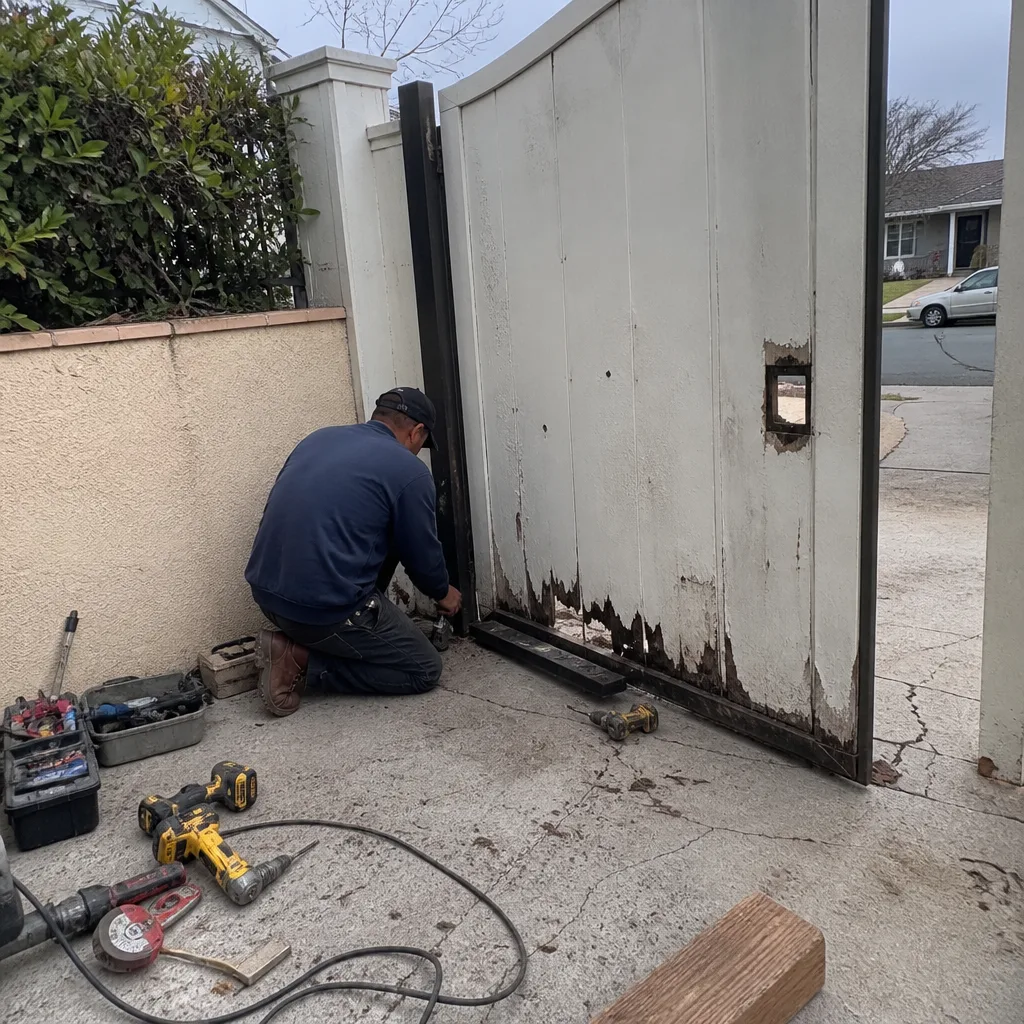 Before
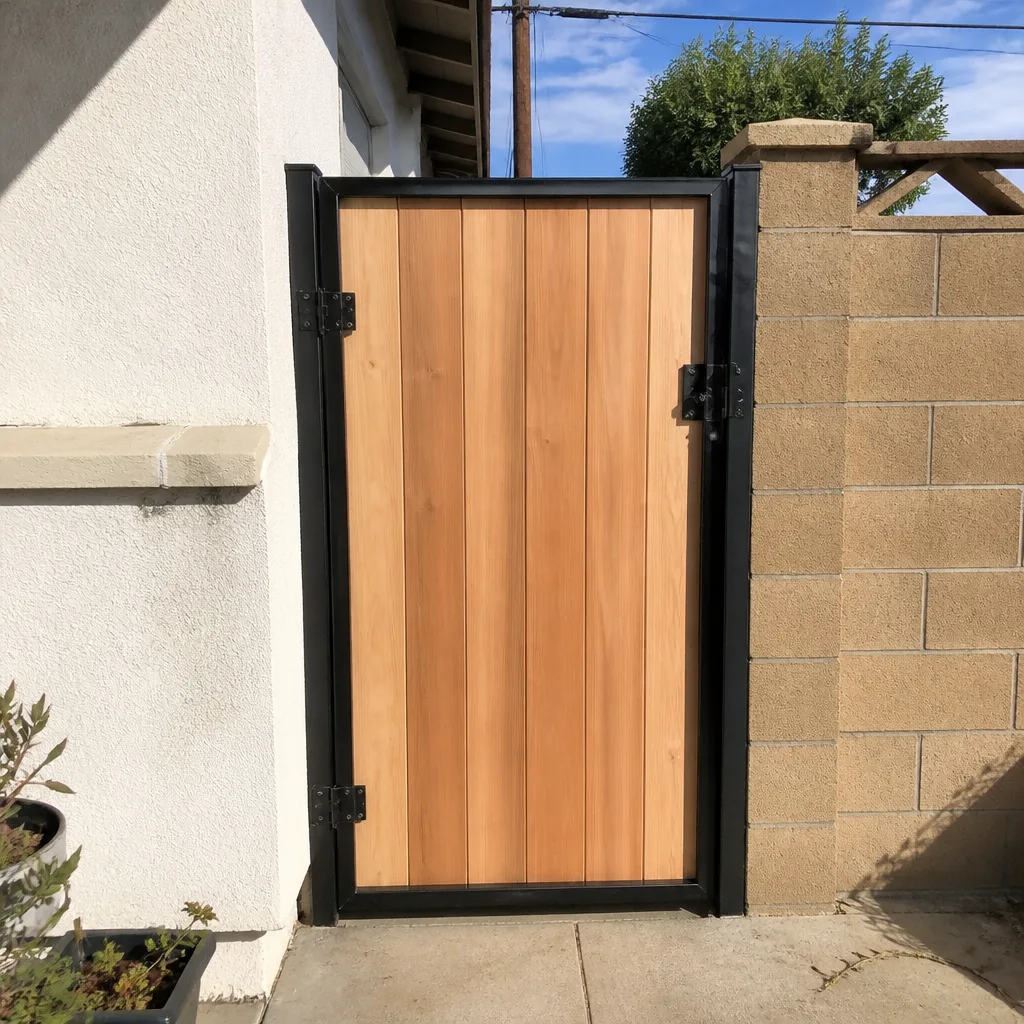 After
After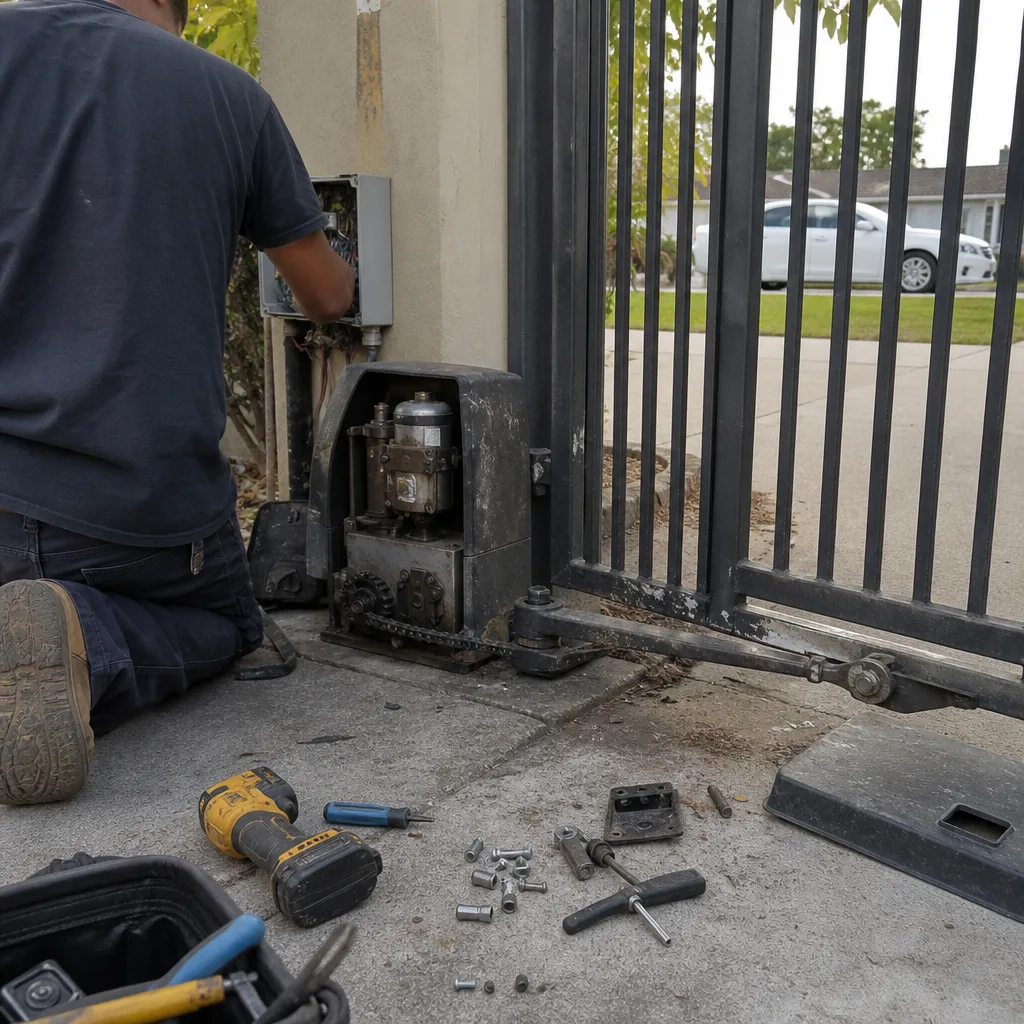 Before
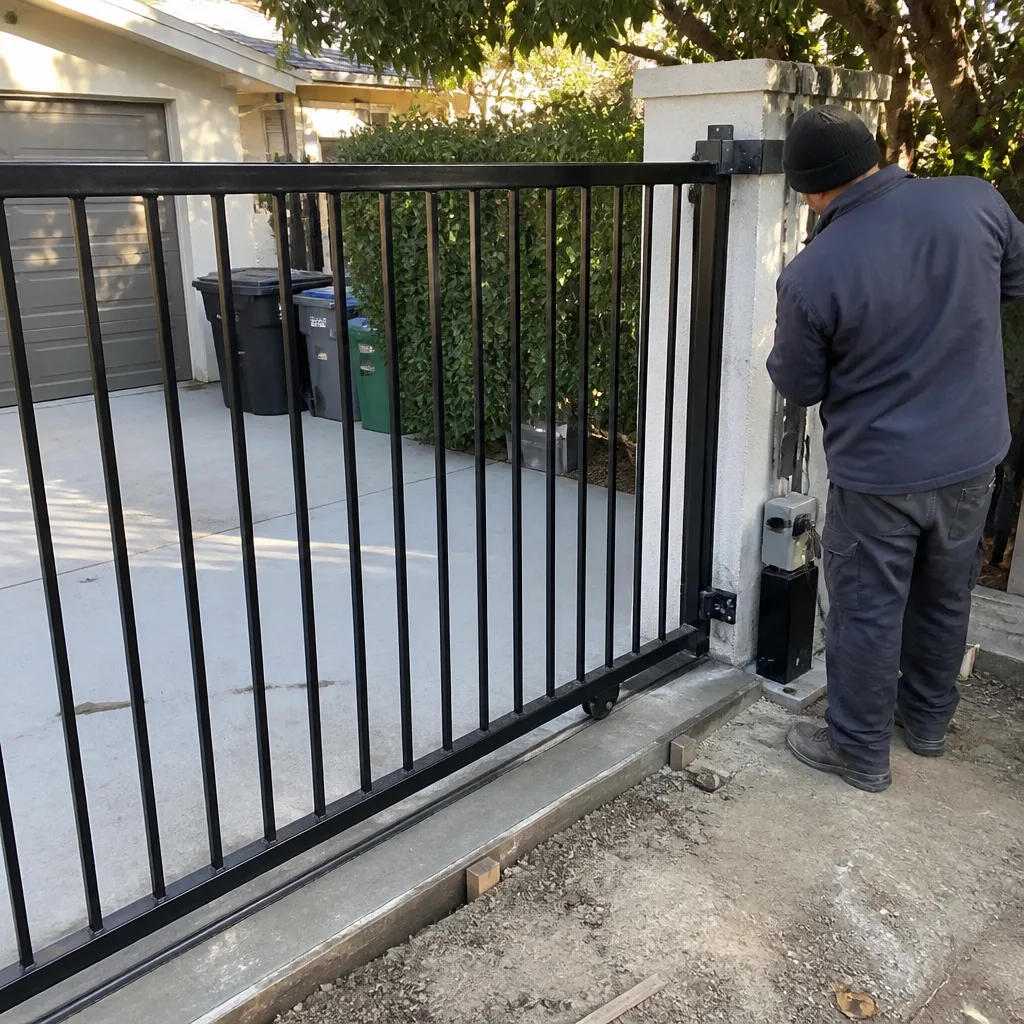 After
After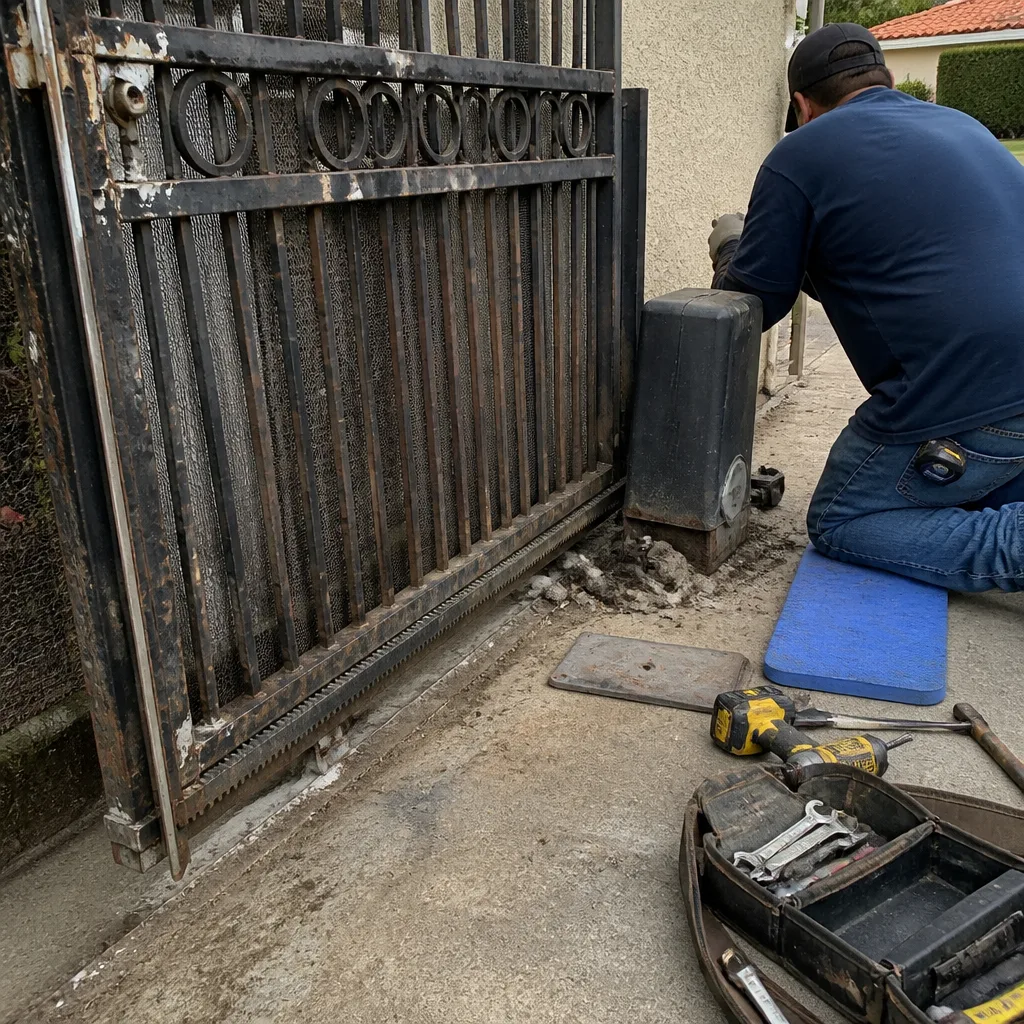 Before
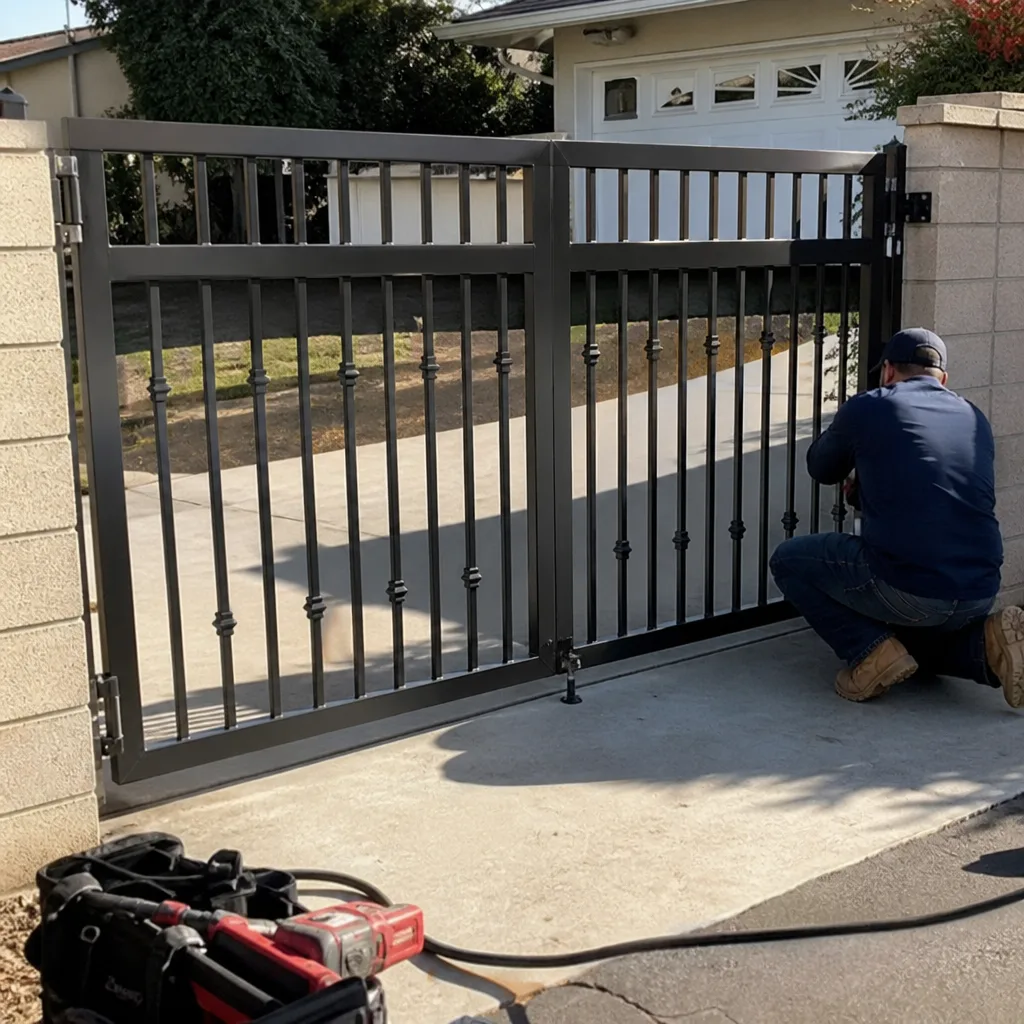 After
AfterWhen to Call a Professional
If your gate work involves a motor, electrical service, changes to the gate’s size or swing direction, or a new pedestrian gate in an existing fence line, call a contractor before you start. The permit determination matters, and the work itself involves components – high-tension hinges, a moving gate leaf, an electrical operator – that can injure if handled wrong. Pinch-point injuries at the hinge of a swing gate are exactly what UL 325 exists to prevent, and the forces involved are not trivial. A trained technician will pull the right permit, order the right operator, and schedule the inspection. For more guides & resources, explore our blog. Carver Gate Repair Torrance offers free estimates in Torrance – call (424) 757-9824 for a written price before any work starts.
Frequently Asked Questions
No, if the replacement motor has the same voltage and amperage as the old motor and uses the existing circuit and wiring. Replacing the motor on an existing permitted gate is classified as a repair, not an alteration. Yes, if the replacement involves pulling new wire, relocating the operator, or changing from a manual gate to an automated gate, because that work adds or alters electrical service. If you are unsure whether your motor replacement crosses the line, call Carver Gate Repair Torrance at (424) 757-9824 for a written assessment before work begins.
The buyer’s inspector flags the unpermitted work during the physical inspection, the lender conditions the loan on resolution, and you as the seller pay the remediation cost on the buyer’s timeline. That timeline is usually two to three weeks, which pushes labor prices up. In our experience, sellers with unpermitted automated gates pay two to three times the cost of having permitted the work correctly the first time.
Yes. Torrance allows a “permit for completed work” application with a required inspection. The work must meet current code, not the code from when it was done, which often means adding UL 325 entrapment sensors and warning signage. Expect to pay the permit fee plus corrections, typically $300 to $1,200 in Torrance, depending on what the inspector finds.
The inspector checks the operator’s UL 325 listing label, the photoelectric sensors across the gate opening, the contact or non-contact edge protection, the manual release accessibility, the force settings, and the required warning signage on both sides. If any one of these is missing, the gate fails the inspection and a re-inspection fee applies.
Yes. Any automated gate within 10 feet of a public sidewalk in Torrance draws closer scrutiny for entrapment protection and warning signage, because the public exposure is higher. The UL 325 requirements are the same, but the inspector will enforce them without leniency for gates near public walkways. If the gate also sits forward of the front setback, a zoning clearance may be required.
Typically $150 to $300 for an automated gate permit, including the electrical scope, with total out-of-pocket between $200 and $400 once any minor fees are included. That assumes the work passes inspection on the first visit. The labor to install compliant sensors and signage is priced separately inside the contractor’s bid, and a reputable contractor in Torrance will have it included from the start. Call (424) 757-9824 for an exact quote on your specific gate – estimates are free.
The Bottom Line
California gate permitting is simpler than most trades but stricter than most homeowners assume. Repairs are exempt. Anything structural, electrical, or new is not. In Torrance, the municipal code adds setback and zoning layers to the state requirement, and automated gates near sidewalks attract the closest inspection scrutiny. Permit the work correctly the first time, keep the UL 325 safety devices current, and you avoid the escrow trap that has cost too many Torrance sellers three times the original job. The permit is cheap. The remediation is not. If you are planning gate work in Torrance, verify the permit trigger in writing before any work begins, and work with a contractor who prices the permit into the bid. Start with our guide to Carver Gate Repair Torrance home services, or call us directly at (424) 757-9824 for a free estimate.
Written by Lonnie Burke, Owner at Carver Gate Repair Torrance, serving Torrance since 2008.