
Last updated October 16, 2026
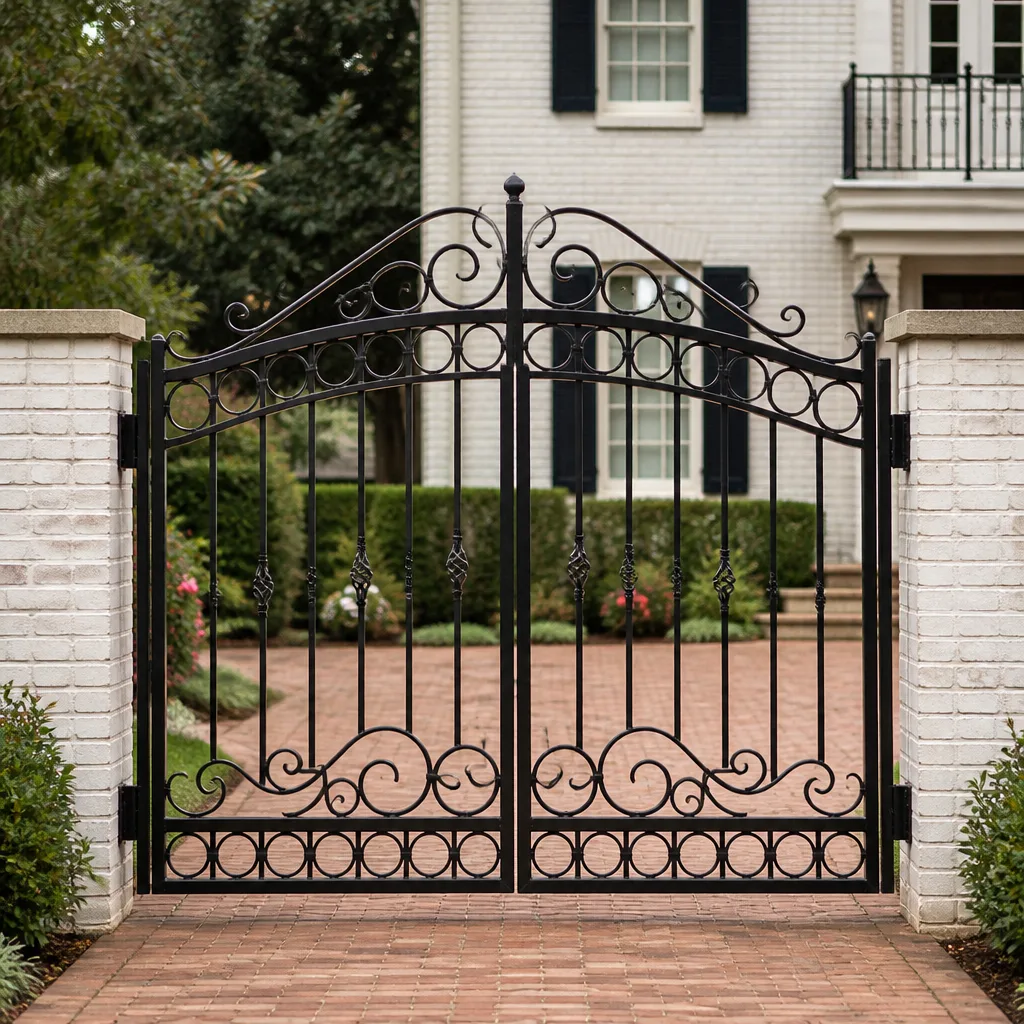 Wrought iron
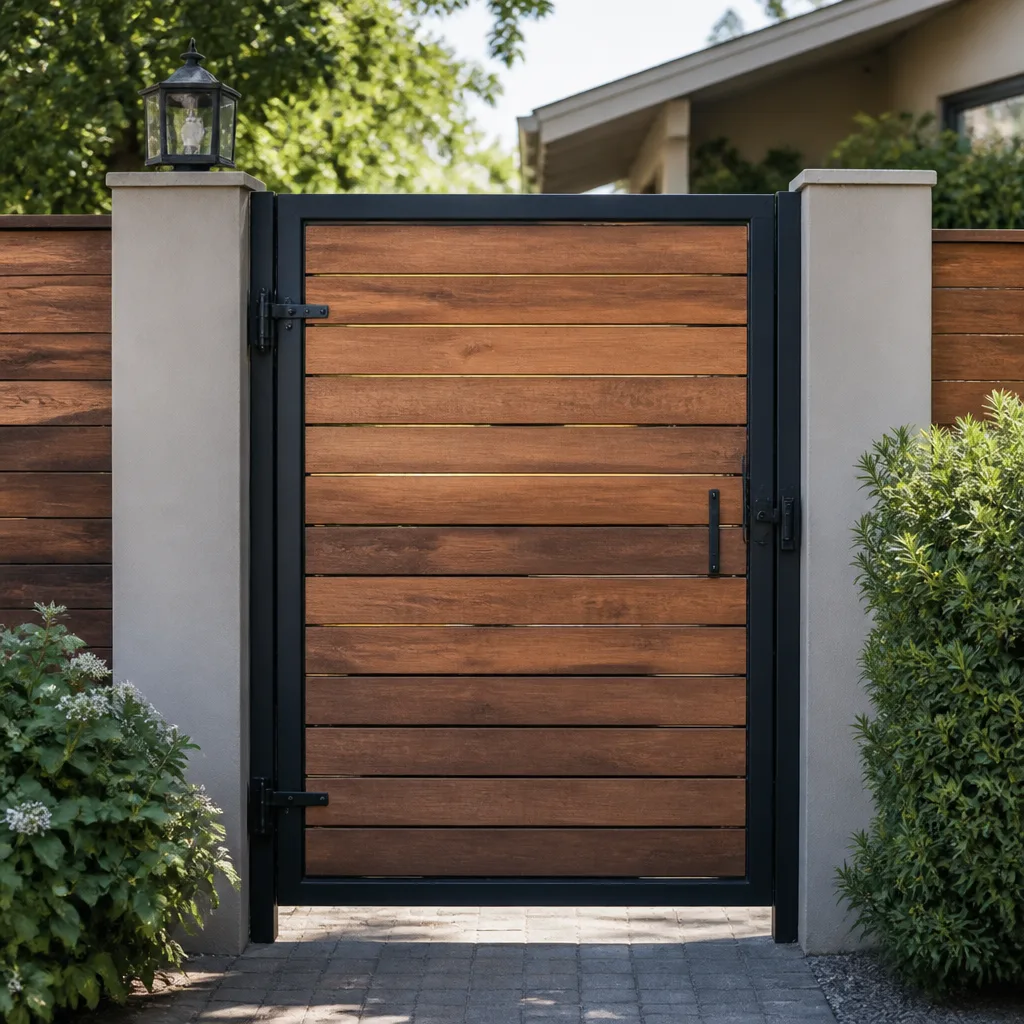 Wood & steel frame
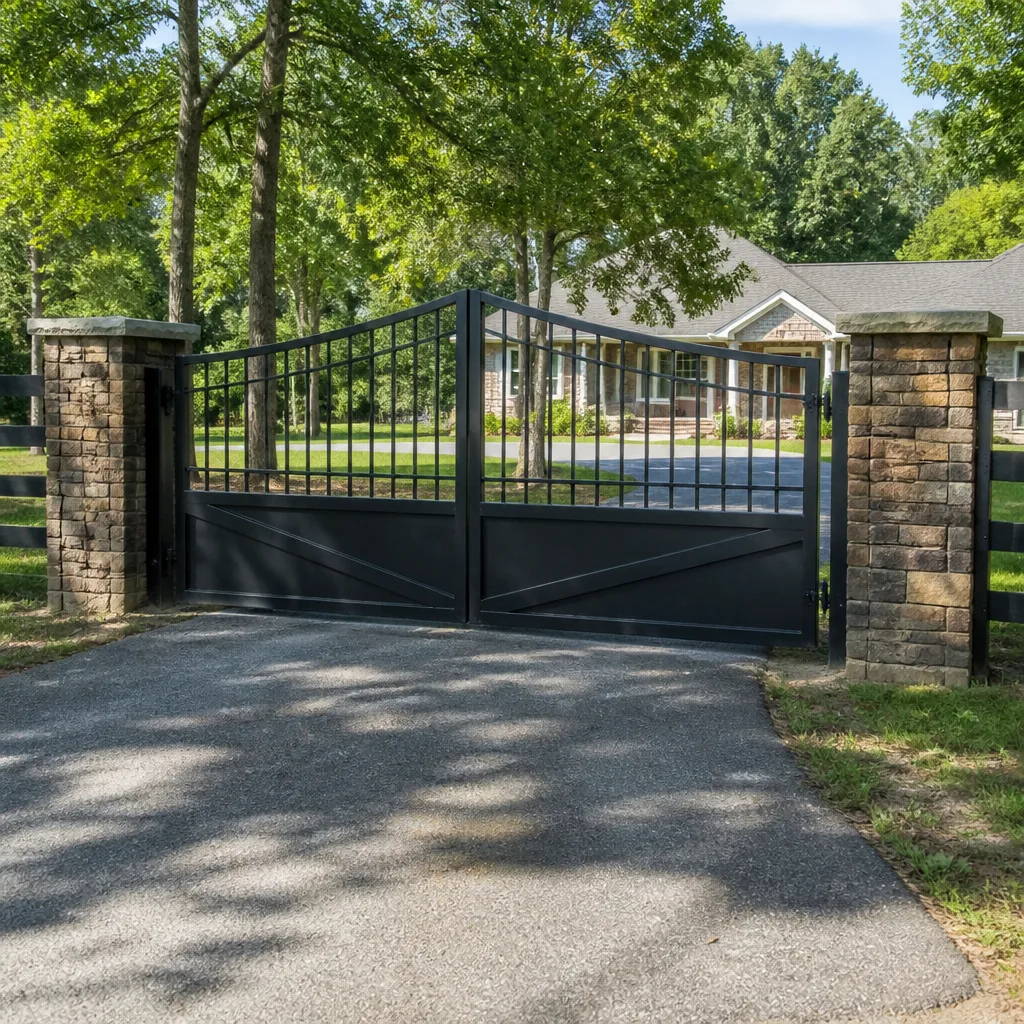 Farm & ranch
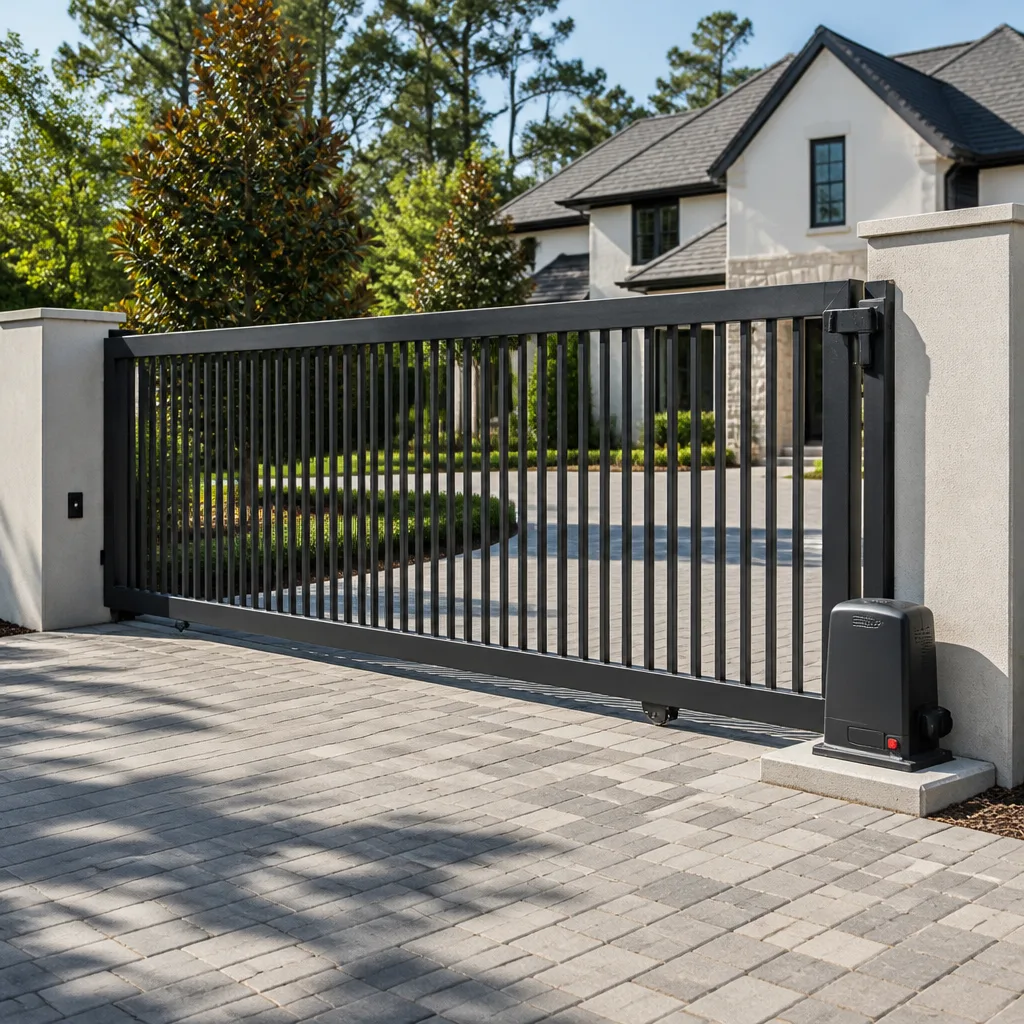 Sliding driveway gates
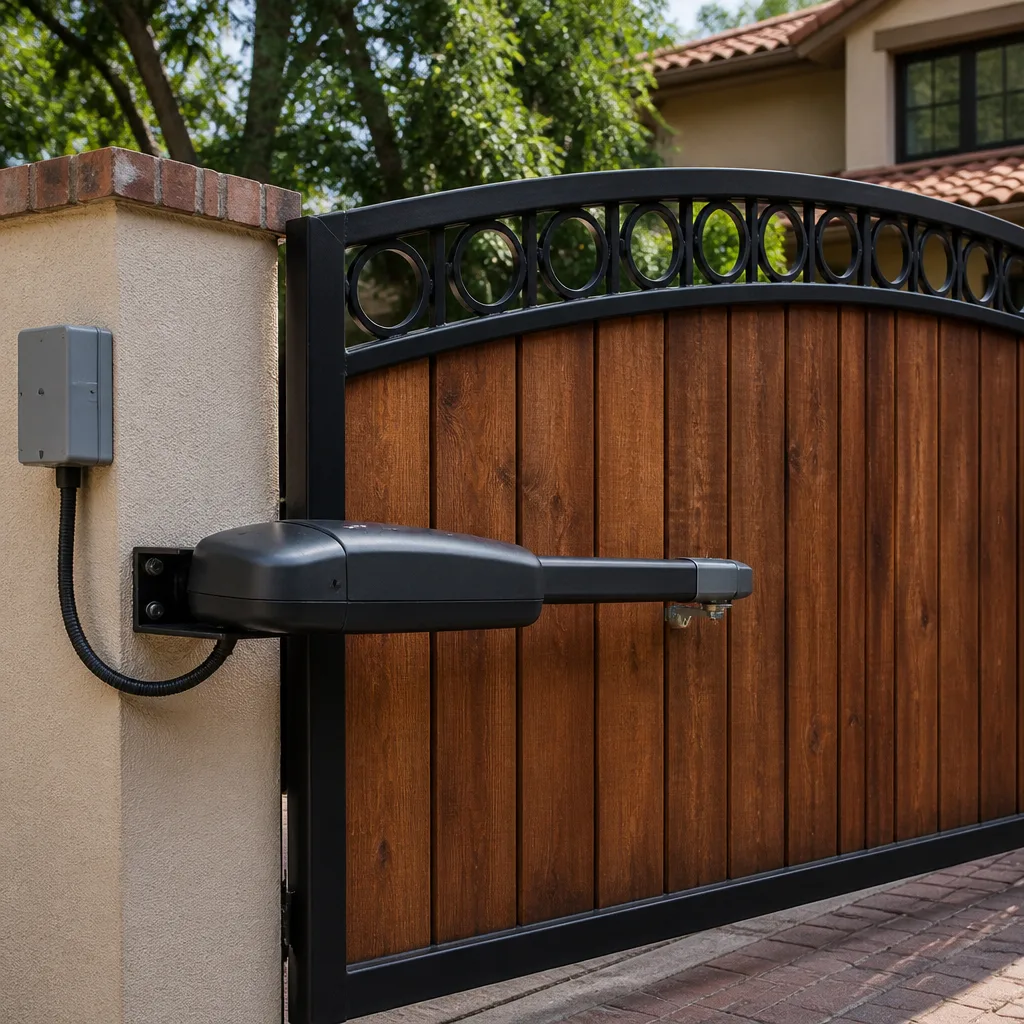 LiftMaster operators
Free on-site gate assessment - hinges, posts, and your LiftMaster or Nice gate operator checked before anything is quoted
The assessment is free and the quote is the invoice.
Get your free estimateGate Repair Maintenance Checklist for Torrance Homeowners
Manufacturer maintenance schedules are written for average conditions. Torrance isn’t average. The combination of coastal humidity rolling in from the Pacific, fine particulate drifting off the 405 corridor, and intense UV exposure means gate hardware in this city fails on a timeline that no owner’s manual predicts. A hinge that lasts eight years in Phoenix might seize in six here. A rubber seal rated for a decade of sunlight can crack in half that time when salt air works into the pores. This guide gives you a maintenance checklist built specifically for Torrance conditions, organized by the parts most likely to fail here, with the pass/fail thresholds that actually matter.
Styles & brands we work with
Quick Answer
A proper Torrance gate maintenance checklist covers monthly inspections of track debris and auto-reverse sensitivity, quarterly lubrication of hinge and roller points with a marine-grade silicone or white lithium grease, and semi-annual checks of fasteners for galvanic corrosion, control board terminals for oxidation, and rubber seals for UV brittleness. Most homeowners can handle the inspection and lubrication tasks themselves with about 20 minutes per month, but electrical diagnostics and spring tension work belong with a trained technician. The gate should be fully serviced by a professional offering Gate Repair services at least once every 12 months in Torrance’s coastal environment.
Table of Contents
- Why Torrance Gate Hardware Wears Differently
- The Monthly Inspection: 15 Minutes That Prevents Most Repairs
- Testing Auto-Reverse Sensitivity Yourself (With Pass/Fail Numbers)
- Lubrication Points: Swing Gate vs. Slide Gate
- Galvanic Corrosion: The Fastener Check Most People Skip
- Control Board Terminals: What to Look for Before an Electrical Failure
- 12-Month Seasonal Maintenance Calendar for Torrance
- Common Mistakes to Avoid
- When to Call a Professional
- Frequently Asked Questions
- The Bottom Line
Why Torrance Gate Hardware Wears Differently
If you’ve lived in Torrance for more than a year, you already know the drill: morning marine layer, afternoon sun, and a fine layer of grit that settles on everything. That combination attacks gate hardware on three fronts. First, salt air accelerates oxidation on exposed steel and on the zinc plating of standard fasteners. Second, UV radiation breaks down the polymer chains in rubber seals, causing them to harden and crack rather than wear smooth. Third, fine particulate from beach sand and freeway brake dust works into rollers, tracks, and hinge pins, grinding surfaces that would otherwise glide. A Carver Gate Repair Torrance home inspection of gates along the same street often shows dramatically different wear depending on whether the gate faces west into afternoon sun or east into the morning marine layer. West-facing gates fail faster on seals; east-facing gates accumulate more corrosion on fasteners.
The practical upshot is that maintenance in Torrance needs to be more frequent and more specific than a generic manufacturer schedule. The OEM manual for your gate operator assumes average humidity, average UV index, and average airborne particulate. Torrance exceeds the average on all three counts. The checklist below accounts for that.
The Monthly Inspection: 15 Minutes That Prevents Most Repairs
We recommend a monthly walk-around that takes about 15 minutes and costs nothing. The goal is to catch the small failures before they become gate motor replacements. This inspection applies to both swing and slide gates, and it’s the single highest-value maintenance task a Torrance homeowner can do. Most of the Gate Repair in Torrance calls we handle for preventable failures involve damage that started as a visible problem weeks or months earlier.
- Clear the track or arc path. For slide gates, remove leaves, sand, and any debris from the V-track or chain path. For swing gates, clear the arc the gate sweeps when opening and closing. Sand is the quiet killer here: the coarser grains from beach parking lots are abrasive enough to score aluminum track wheels.
- Watch and listen through one full open-close cycle. A smooth gate should accelerate, travel, and decelerate without jerking, stalling, or scraping. Any change in sound – a new rattle, a grinding note, a high-pitched whine – means something is wearing.
- Check the gate’s resting position. A gate that hangs lower at the free end than it did last month indicates hinge wear or post movement. Put a level on the top rail if you have one. A shift of half an inch matters.
- Inspect visible wiring. Look for cracked insulation, exposed conductors, or connections that have pulled loose from conduit. Rodents find gate operator enclosures warm and sheltered in cooler months, and their gnawing is a common Torrance failure point.
- Test the obstruction sensors. Wave an object through the safety beam while the gate is closing. The gate should reverse immediately. If it doesn’t, that’s a call.
Keep a simple log on your phone or a notepad. Note the date, anything you observed, and any sounds you heard. When a technician eventually comes to diagnose a problem, that history tells us more than the gate can.
Testing Auto-Reverse Sensitivity Yourself (With Pass/Fail Numbers)
Auto-reverse is the safety system that stops and reverses a gate when it encounters resistance. It’s required by UL 325, the standard that governs automatic gate operators in the United States. A gate operator with failed auto-reverse is not just a nuisance, it’s a hazard. The test takes five minutes and requires only a scrap of wood or a rolled-up towel.
- Get a test object. You want something that gives about the same resistance as a child’s leg, roughly 2 inches thick. A 2×4 scrap, a rolled towel, or a folded phone book works.
- Place the object in the gate’s path. Set it where the gate will contact it, not where the safety beam will trip first. The point is to test the physical force-sensing system, not the photoelectric eye.
- Run the gate closed. Use the operator’s normal close command. The gate should reverse within 2 seconds of contacting the object, and it should reverse fully, not just stop.
- Check the force marker if your operator has one. Many DoorKing and LiftMaster operators have a force dial or digital setting. If the dial is cranked to maximum to overcome a hard-to-close gate, the reverse function won’t trip when it should. That setting being maxed out is itself a failure requiring attention.
The pass/fail threshold is simple: the gate reverses on contact, every time, within 2 seconds. If it pushes past the object, stalls, or only reverses intermittently, the operator needs a force recalibration. That is not a DIY fix on most modern units. Call a technician before someone gets hurt. If you need Gate Motor Repair in Torrance, the diagnostics are straightforward, and the fix is usually a matter of re-setting the force curve and verifying with a test meter.
Lubrication Points: Swing Gate vs. Slide Gate
Lubrication is not one-size-fits-all. The products that work on a swing gate hinge will clog a slide gate roller bearing, and the spray that frees up a slide gate chain will run right off a swing gate’s articulating arm pivot. Use the right product on the right point. In Torrance’s dry-and-dusty conditions, the best choices are marine-grade silicone spray or white lithium grease – both hold up longer than WD-40, which is a solvent, not a lasting lubricant.
Swing Gate Lubrication Points
- Hinge pins and hinge plates: White lithium grease, applied quarterly. Wipe away the old grease first. Old grease carries grit, and grit turns into lapping compound on a moving hinge.
- Articulating arm pivots: Marine-grade silicone spray, applied every two to three months. The pivot pins on a linear actuator arm move through a tight arc, and light lubrication keeps them free without building up a paste.
- Latch and lock mechanism: Graphite powder or dry silicone spray. Never use grease here – it collects dust and eventually gums the lock cylinder.
- Operator gearbox (if exposed): Check the oil level per the operator manual. Most sealed units – common on Elite and DoorKing swing operators – require no owner service and should be inspected by a technician annually.
Slide Gate Lubrication Points
- V-track and guide rollers: Keep them clean and dry. Do not lubricate the track on a slide gate. Lubricants attract sand and brake dust, and within a month you’ll have a grinding paste wearing your rollers flat.
- Roller bearings (the wheels themselves): A light silicone spray on the bearing seals every few months. The bearings themselves are sealed, but the seals dry out and crack in UV and salt air. A mist of silicone extends their life.
- Drive chain: Chain lube or heavy-duty white lithium, applied lightly and wiped off so it doesn’t fling onto the track. Apply quarterly, or more often if the gate faces the street and picks up freeway dust.
- Chain tensioner bolts: Light silicone spray on the threads so future adjustments don’t seize.
The rule of thumb for Torrance: less is more, and dry is better than greasy for anything that contacts the ground or faces the street.
Galvanic Corrosion: The Fastener Check Most People Skip
Here’s a Torrance-specific problem that doesn’t appear in most maintenance guides: galvanic corrosion at the points where steel fasteners contact aluminum gate frames. When two dissimilar metals touch in the presence of an electrolyte – and coastal humidity is an electrolyte – the less noble metal corrodes faster than it would alone. In practice, the zinc-plated steel bolts used to mount aluminum gate panels to steel posts will corrode around the threads within three to five years in Torrance. The bolt heads look fine. The threads are turning to powder inside the post.
During a quarterly inspection, check these contact points specifically:
- Gate panel to hinge plate bolts: Look for a white, crusty residue around the bolt head. That’s zinc oxide from the plating sacrificing itself. It’s a warning sign, not a failure, but it means the bolt should be replaced soon.
- Post anchor bolts where steel posts meet concrete: Concrete wicks moisture. The bolts at the base of a steel gate post are constantly damp in Torrance’s climate, even when it hasn’t rained in months.
- Motor mounting brackets: On any operator bolted directly to a steel post, the bracket bolts are a galvanic corrosion hotspot.
- Any point where a steel component touches an aluminum component: Run your finger along the joint. If you feel roughness, flaking, or a powdery deposit, galvanic action is already underway.
The fix for new Gate Installation in Torrance work is simple: nylon washers or isolation tape between dissimilar metals, and stainless fasteners where possible. For existing gates, replace corroded fasteners before they fail. A $3 bolt replaced now prevents a panel from dropping or a post from fracturing later.
Control Board Terminals: What to Look for Before an Electrical Failure
Most gate operator failures that look sudden are actually weeks or months in the making, as detailed in our Gate Repair Warning Signs: A Torrance Homeowner’s Reference Guide. The control board inside your operator enclosure lives in an environment that Torrance makes particularly hostile: damp marine air, temperature swings from morning fog to afternoon heat, and a constant dusting of fine particulate that finds its way through the enclosure seams. Once a month, when you’re doing the rest of the walk-around, open the enclosure and look at the board. You don’t need to touch anything, and you don’t need a meter. You’re looking for visual evidence of stress.
- Green or white crust on any terminal: This is copper oxidation. It starts at the connection points where wire meets terminal block, and it creates resistance. Resistance creates heat. Heat damages the board. If a terminal looks fuzzy, that’s the beginning of an electrical fire risk, not just a maintenance item.
- Brown or darkened areas on the board itself: Heat damage. A component has been running hotter than it should, which usually means a failing capacitor or a relay drawing too much current. The board might work today and fail tomorrow.
- Loose terminal screws: Vibration from gate cycles works screws loose over months. A loose screw means an intermittent connection, which means a gate that works sometimes and not others. Diagnosing an intermittent connection is one of the most frustrating repair calls in this trade, and it’s preventable.
- Moisture beads or condensation inside the enclosure: The enclosure gasket has failed. Replace it. Torrance fog is relentless, and a failed gasket will eventually kill the board.
- Burned or melted wire insulation anywhere near the board: Stop. Don’t touch it. Close the enclosure and call a technician. This is a fire hazard.
If you see oxidation beginning on terminals, a technician can clean and re-torque the connections during a service visit. Left alone, that oxidation grows until the connection fails – almost always at night, on a weekend, when the gate is blocking your driveway.
12-Month Seasonal Maintenance Calendar for Torrance
Torrance doesn’t have four seasons in the traditional sense. It has a wet-ish winter, a foggy spring, a hot-and-dry late summer, and a Santa Ana season where dry winds blast inland toward the coast. Each of those patterns stresses gate hardware differently, and your maintenance calendar should reflect it. This calendar assumes a basic monthly inspection as described above, and adds the season-specific tasks; see Gate Repair Permits, Codes & Inspections in CA: What You Need to Know for regulatory context.
- January (rainy season): Check drainage around the gate posts and operator pad. Standing water at the base of a steel post accelerates corrosion. Clear any debris that’s blocking water from draining away from the gate.
- February: Test the gate’s manual release function. Every automatic gate operator has a disconnect handle or key for when the power fails. Pull it and verify the gate moves freely by hand. If it doesn’t, the gate is binding and the operator has been working harder than it should.
- March (fog season begins): Inspect all wiring connections and the operator enclosure gasket. This is the month when marine layer condensation is heaviest. Look for moisture inside the enclosure every week this month.
- April: Lubricate hinges and pivots. The winter rain has washed lubricant away, and the fog isn’t doing surfaces any favors. Re-establish the lubrication baseline.
- May: Check fasteners for galvanic corrosion. The combination of winter moisture and warming temperatures accelerates oxidation at dissimilar-metal contacts. Perform the full fastener check described above.
- June (June Gloom): Test auto-reverse sensitivity and safety beam function. Fog reduces visibility for drivers and pedestrians alike, and a working safety system on your gate matters more when people can’t see it closing.
- July: Inspect rubber seals, weatherstripping, and any plastic or polymer components. UV exposure is at its annual peak, and a seal that was flexible in March may be cracking in July.
- August (hottest month): Check the operator’s thermal behavior. Run the gate mid-afternoon on a hot day and listen for strain. Motors that overheat in August have an electrical problem that will show up as a failure in November.
- September: Clean and inspect the safety beam lenses. Months of dust, sea spray, and freeway particulate have coated them. A dirty lens reduces the sensor’s range, and a reduced-range sensor might not see a person in the gate path.
- October (Santa Ana season): Clear dry brush from around the gate and actuator arm. Santa Ana winds drop humidity into the single digits and carry sparks from anywhere. A gate area full of dry leaves is kindling near electric motors.
- November: Schedule your annual professional service. A technician can check motor torque, control board health, spring tension, and things you can’t access safely. The Gate Motor Repair in Torrance work done in November prevents failures in December.
- December: Test everything: auto-reverse, safety beam, manual release, battery backup if installed. This is the month when holiday visitors mean more gate cycles, and family members who don’t know the gate’s quirks are the ones most at risk if a safety system has failed.
Common Mistakes to Avoid
- Using WD-40 as a lubricant. WD-40 is a water displacer, not a lasting lubricant. In Torrance’s dry, dusty conditions, it evaporates within days and leaves behind a thin film that actually attracts particulate. Use white lithium grease or marine-grade silicone as specified above.
- Lubricating the V-track of a slide gate. This is the single most common mistake we see on slide gates in Torrance. Lubricating the track turns wheel surfaces into sandpaper within weeks. Keep the track dry and clean.
- Ignoring a gate that’s louder than it used to be. A new noise is the earliest warning sign of a failing component. A rattle becomes a grind; a grind becomes a seized roller; a seized roller becomes a burned-out motor. Early attention costs a fraction of late attention.
- Cranking the force dial up to fix a slow or sticking gate. The force setting on a DoorKing or LiftMaster operator exists to protect people, not to power through mechanical resistance. Jacking the dial to maximum overrides the safety system. Fix the mechanical binding instead.
- Waiting until the gate fails to call anyone. By the time a gate stops opening entirely, the failure has often cascaded: a worn hinge put extra load on the motor, which put extra load on the board, which fried a capacitor. Maintenance today prevents a three-part repair next month.
- Painting over corroded fasteners without replacing them. Paint hides the symptom and does nothing for the threaded section inside the post, where the real corrosion is happening. Replace the fastener.
- Forgetting the gate uses electricity. A surprising number of homeowners assume gates are purely mechanical. The operator enclosure contains line voltage, and the control board carries enough current to stop a heart. Respect the enclosure, and don’t open it to poke around if you don’t know what you’re looking at.
When to Call a Professional
Some maintenance tasks are genuinely DIY. Clearing tracks, lubricating hinges, testing auto-reverse, and inspecting for corrosion are all within reach of a careful homeowner with a free afternoon. Other tasks are not. Spring tension work on a swing gate or counterbalance assembly carries enough stored energy to cause serious injury if released improperly. Control board diagnostics require a meter, a wiring diagram, and experience with the specific brand. Any work on the operator’s electrical supply is a job for a qualified technician. If your monthly inspection finds heat damage on a control board, melting insulation, a corroded terminal block, or a gate that’s binding and won’t move freely by hand, that’s the line. Carver Gate Repair Torrance offers free estimates in Torrance – call (424) 757-9824 and we’ll tell you what you’re looking at, what it costs, and whether it can wait.
Frequently Asked Questions
Monthly. Torrance’s coastal air and freeway particulate mean problems develop faster here than in dry inland markets. A 15-minute monthly inspection catches small issues before they become motor replacements. The specific steps are in the Monthly Inspection section above.
Use white lithium grease on hinge pins and heavy-contact points, and marine-grade silicone spray on pivot pins and roller bearing seals. Do not lubricate slide gate tracks – the track should stay dry and clean. WD-40 is a solvent, not a lasting lubricant, and it attracts dust.
Place a 2-inch-thick object in the gate’s path and close the gate. It should reverse within 2 seconds of contact, every time. If it stalls, pushes through, or only sometimes reverses, the force setting needs recalibration by a technician. This test is quick and should be done monthly.
Minor repairs like hinge replacements and sensor realignment typically run $85 – $220. Operator motor replacements run $350 – $900 depending on brand and model. Control board replacements run $250 – $650. Every Carver Gate Repair Torrance job gets a written price before work starts. Call (424) 757-9824 for a free estimate.
Orientation and microclimate. A gate facing west into afternoon sun gets more UV exposure, which degrades seals faster. A gate facing east into the morning marine layer gets more moisture deposition, which accelerates fastener corrosion. Gates within 100 yards of the coast or the 405 corridor also accumulate more salt and particulate than gates further inland.
No. A bent slide gate track is a structural repair that involves cutting, straightening, or replacing the track section, then re-aligning the entire gate for proper roller contact. Doing it wrong strains the operator and shortens the motor’s life. This is a professional repair.
Yes. Carver Gate Repair Torrance technicians are trained on LiftMaster, DoorKing, Elite, Mighty Mule, FAAC, BFT, Linear, Viking, and Ghost Controls equipment. The right diagnostic procedure depends on knowing the specific brand and model, and we match the parts to the system in front of us.
The Bottom Line
Gate maintenance in Torrance succeeds or fails on consistency. A monthly inspection, quarterly lubrication, a semi-annual fastener and seal check, and an annual professional service cover the failure points that coastal conditions accelerate. The tools are a notepad, a level, a can of white lithium grease, and a can of marine-grade silicone. The time cost is about three hours per year. The avoided cost is hundreds or thousands in repairs, plus the aggravation of a gate that won’t open when you need to leave for work. The manufacturer’s schedule is a starting point. Torrance conditions demand more. For additional help, explore our more guides & resources.
Written by Lonnie Burke, Owner at Carver Gate Repair Torrance, serving Torrance since 2008.
Carver Gate Repair Torrance works to The Garrison Standard: written prices before any work starts, background-checked uniformed technicians, a live person answering the phone 24/7, and a 365-Day Done Right Promise on every repair – if it’s not done right, we make it right, for a full year from the date of service. Call (424) 757-9824 for a free estimate.
See the difference
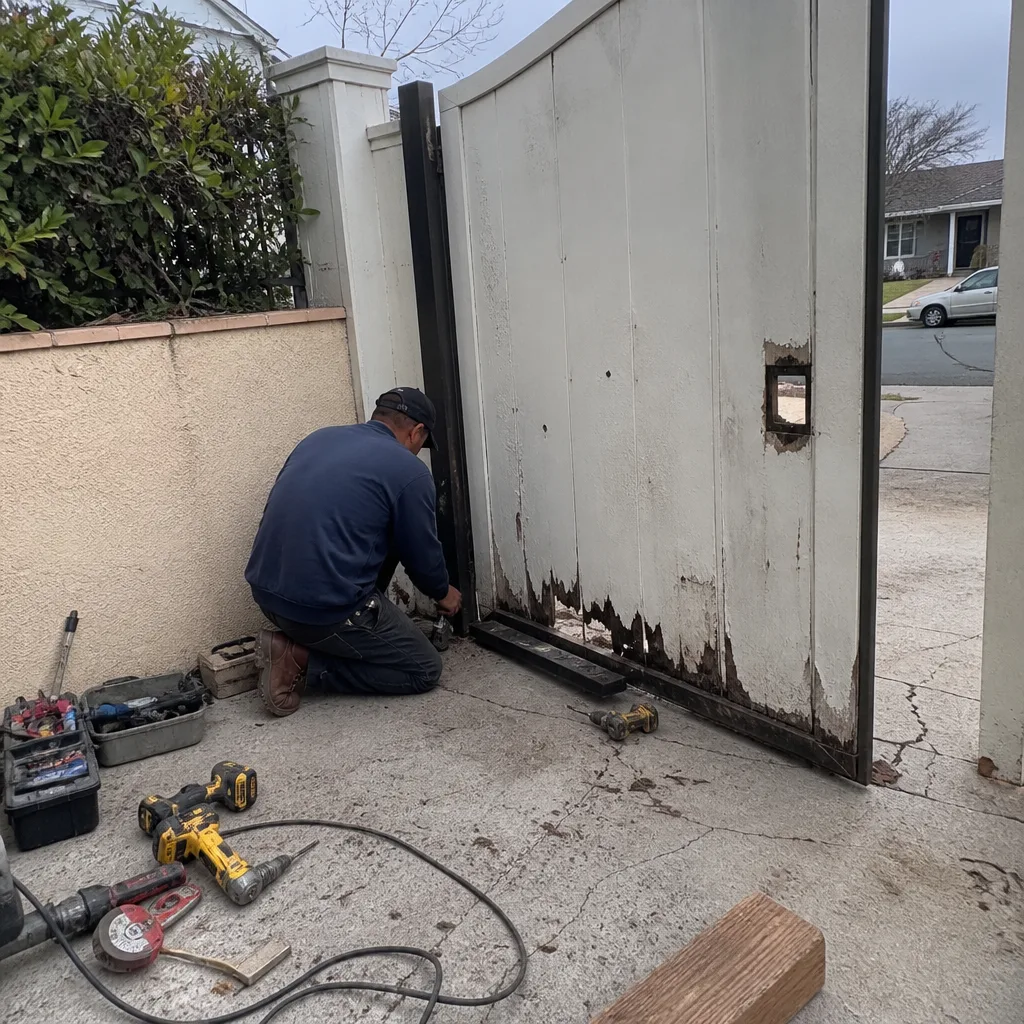 Before
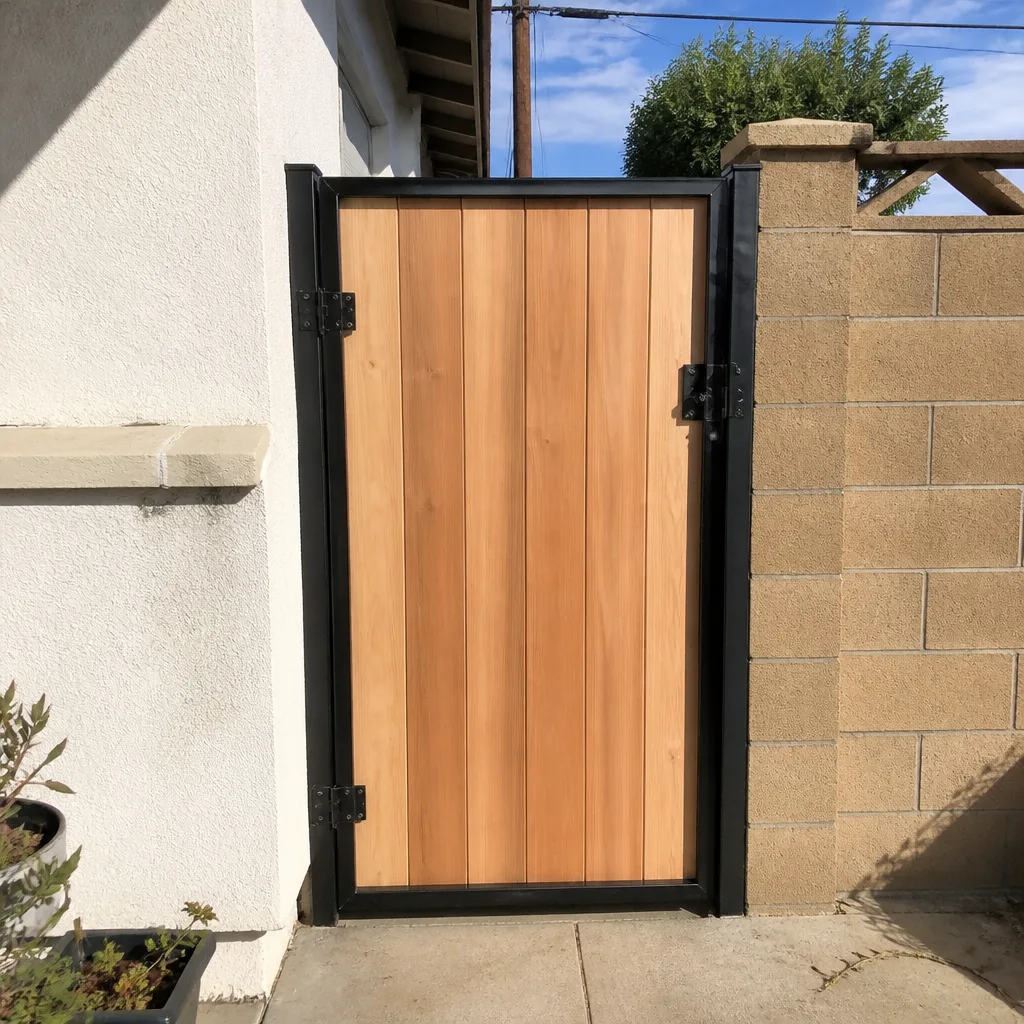 After
After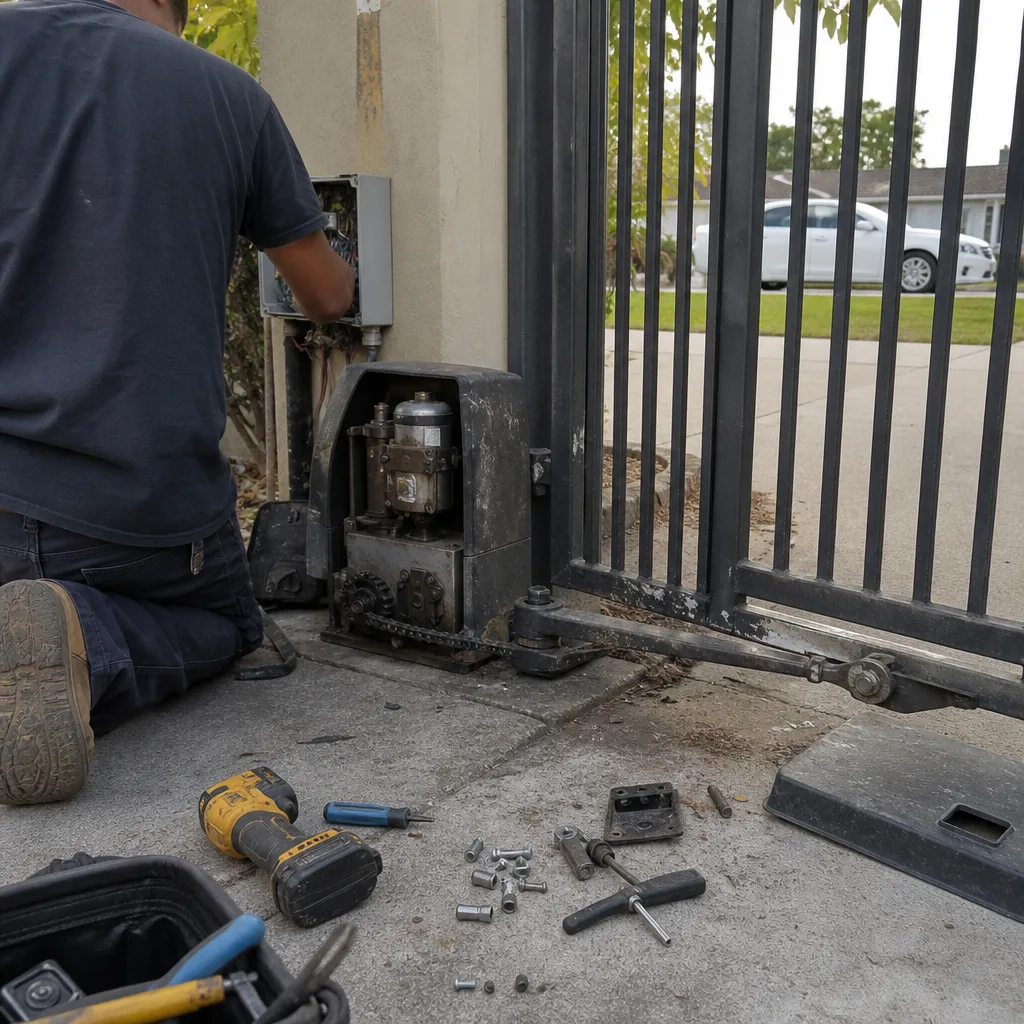 Before
 After
After Before
 After
After